
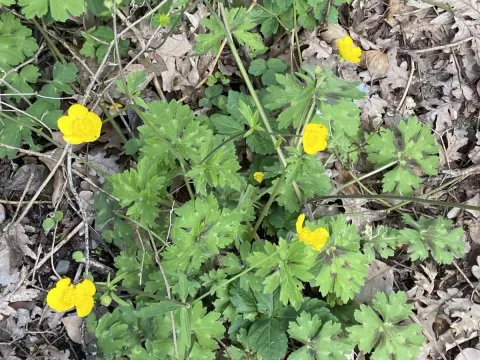
Constantinople buttercup
Ranunculus constantinopolitanus
Sowing Constantinople buttercup seeds is traditionally performed in late autumn, allowing the cold winter weather to naturally stratify the seeds for better spring emergence.
What the section contains
Constantinople buttercup
When starting indoors, seeds should be sown in trays during February in a cool, well-lit environment to encourage strong root establishment before transplanting.
The seeding depth should remain shallow, typically around 5mm, as the seeds require exposure to light to germinate efficiently in a moist environment.
Seedlings need to be hardened off gradually before being planted into the permanent garden site to prevent shock from temperature fluctuations.
Proper spacing of approximately 20 to 30 centimeters between each plant is essential to ensure adequate airflow and room for the root systems to expand.
As a member of the Ranunculaceae family, this species thrives in temperate zones, preferring locations that offer full sun or very light partial shade.
The ideal soil profile consists of moisture-retentive, fertile loam that is well-drained, preventing the waterlogging that often leads to plant death.
Consistent watering is necessary during the active growing season, particularly if rainfall is scarce, to maintain the health of the lush foliage.
Soil nutrient levels should be managed through the application of balanced organic compost or slow-release mineral fertilizers during early spring development.
Protection from strong winds is recommended to keep the delicate flower stems upright and intact throughout the peak of the flowering period.
The most significant pathological threats include powdery mildew and various forms of root rot, often exacerbated by high humidity and dense planting.
Pest pressures primarily come from sap-sucking insects such as aphids and mites, which can cause stunted growth and yellowing of the foliage if left untreated.
Good agricultural hygiene, such as removing debris and weeds from the surrounding area, is the first line of defense against both pests and soil-borne diseases.
Early identification of pest colonization is crucial, and growers should implement integrated pest management strategies to minimize chemical usage.
When chemical intervention is required, selective fungicides and insecticidal soaps are effective tools if applied strictly according to the provided instructions.