
Consolida tenuissima
Consolida tenuissima
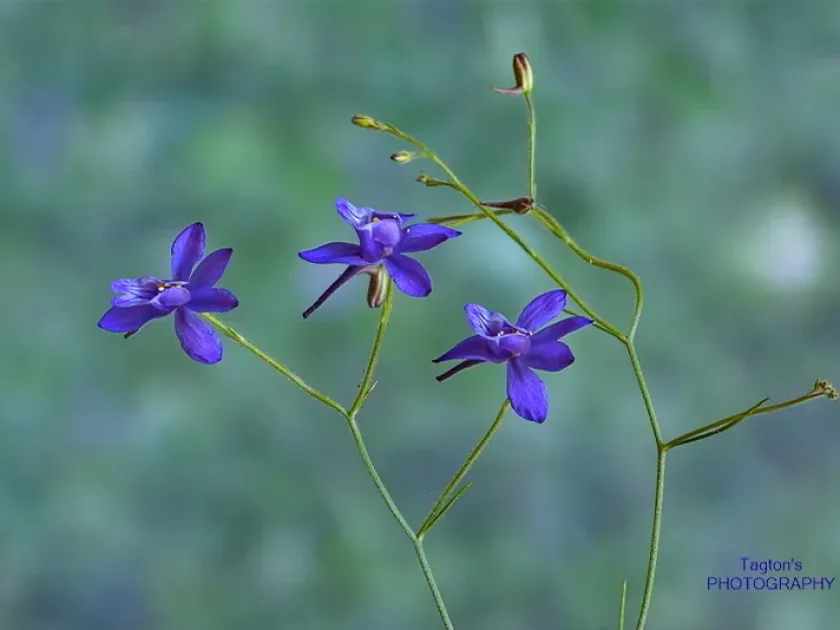
Description
Sowing dates
Consolida tenuissima is an annual herbaceous plant belonging to the Ranunculaceae family. It is recognized for its fine foliage and aesthetic value, often integrated into meadows or agro-ecosystems to support biodiversity.
Sowing should take place in early spring once the soil reaches a temperature of at least 5-8 degrees Celsius. The seeds are small, requiring careful placement to ensure uniform germination and plant density.
A row spacing of 20 to 30 cm is considered optimal for mechanical weeding and proper air circulation. The sowing depth should be strictly maintained at approximately 1-2 cm to prevent stunted sprout development.
Seed germination typically occurs within two to three weeks depending on soil moisture levels and temperature. Adequate seedbed preparation is essential to eliminate soil crusting.
In regions with mild winters, late autumn sowing is possible, allowing seeds to germinate early in the spring as soon as soil conditions permit, leveraging natural spring moisture.
Growing requirements
This crop thrives in sunny locations with full sun exposure. Shade-grown plants often exhibit weak, elongated stems that are prone to lodging during moderate wind events.
Well-drained, fertile, loamy soils are ideal for Consolida tenuissima. It performs poorly in heavy clay or waterlogged soils, which frequently cause root decay and plant mortality.
Water requirements are moderate. While the plant possesses some degree of drought tolerance, consistent moisture during the budding phase significantly improves the overall biomass and flower density.
The plant prefers a neutral to slightly alkaline soil pH. Acidic soils should be amended with lime prior to planting to ensure optimal nutrient uptake and plant health.
Balanced fertilization is key; avoid excessive nitrogen, which can lead to lush vegetative growth that is vulnerable to diseases and lacks proper structural integrity.
Main diseases and pests
Powdery mildew is the most prevalent disease, especially during periods of high humidity and fluctuating temperatures. It manifests as a white coating on the leaves and stems.
Aphids and spider mites are the most common pests, frequently colonizing the tender parts of the plant and sucking nutrients, which leads to stunted development and yellowing.
Root rot pathogens may occur if drainage is insufficient. Such diseases are difficult to treat once established, making prevention via site selection the primary defense strategy.
Cutworms can also inflict significant damage on seedlings by severing them at the soil line, resulting in irregular gaps within the rows.
- Maintain proper ventilation between plants.
- Monitor field conditions regularly for early signs of infection.
- Use integrated pest management practices to control insect populations.