
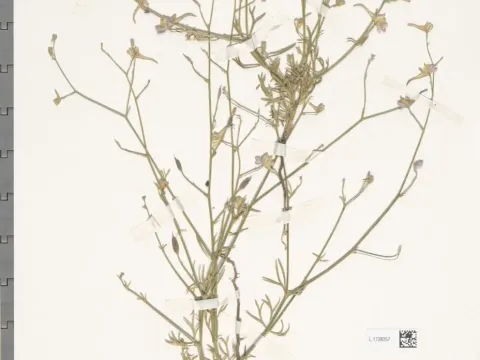
Consolida pubescens
Consolida pubescens
Consolida pubescens, a member of the Ranunculaceae family, is a herbaceous annual that is best propagated by seeds. Sowing typically takes place in early spring once the soil temperature is suitable for germination, usually around 10 degrees Celsius.
What the section contains
Consolida pubescens
Seeds should be planted at a depth of 1-2 centimeters in well-prepared, loose soil. Maintaining proper spacing of 20–30 centimeters between individual plants is essential to allow for optimal airflow and prevent competition for nutrients.
For those interested in faster development, indoor sowing in peat pots during early spring is recommended. Since Consolida has a sensitive root system, the use of biodegradable containers helps avoid transplant shock during the final planting phase.
Autumn sowing is a viable alternative in milder climates, allowing for natural cold stratification of the seeds. This method often results in earlier and more robust growth in the following season compared to spring-sown crops.
Consistent moisture is crucial during the germination phase. Growers should ensure the seedbed remains damp but never waterlogged, as excessive water can easily rot the seeds before they have a chance to establish a strong root system.
The plant thrives in full sun, requiring at least 6 to 8 hours of direct light daily for maximum growth and flower production. Shade-grown plants often become leggy and lack the stability needed for healthy development.
Well-drained, fertile soil with a neutral to slightly alkaline pH is ideal for Consolida pubescens. Heavy clay soils should be amended with organic matter or sand to improve porosity and ensure that water drains away from the roots efficiently.
While the plant shows some tolerance to temporary drought, consistent hydration during the blooming period is necessary for sustained quality. Watering should be targeted at the base of the plant to keep the foliage dry and reduce disease risk.
Temperature management is straightforward, as the plant prefers cool to moderate growing conditions. Extreme heat can shorten the blooming cycle, so strategic planting in areas with afternoon shade in very hot climates is advised.
Regular fertilization with a balanced mix, followed by phosphorus-rich inputs during the pre-flowering stage, will enhance the plant's overall vigor. However, avoid over-fertilizing with nitrogen, as this promotes excessive vegetative growth over flower production.
Powdery mildew is the most common fungal issue for this species, especially when humidity levels rise and air circulation is poor. Proper plant spacing is the primary preventive measure against the development and spread of this disease.
Root rot, driven by stagnant water or compacted soil, can quickly kill the plants. Careful monitoring of drainage and avoiding over-irrigation are essential management practices to keep the plant's root system healthy throughout the season.
Aphids and spider mites are typical pests that target the succulent new growth of the plant. If infestation occurs, prompt treatment with appropriate insecticidal soaps or systemic pesticides is recommended to protect the integrity of the leaves and flowers.
Weed management is vital, as weeds often host pests and viruses that can jump to the crop. Regular weeding helps maintain a healthy environment, ensuring that the Consolida receives the full benefit of soil nutrients and sunlight.
In cases of severe pest or disease pressure, integrated pest management (IPM) strategies should be employed to minimize chemical use. Monitoring early and removing affected plant material manually are effective first steps in disease control.