
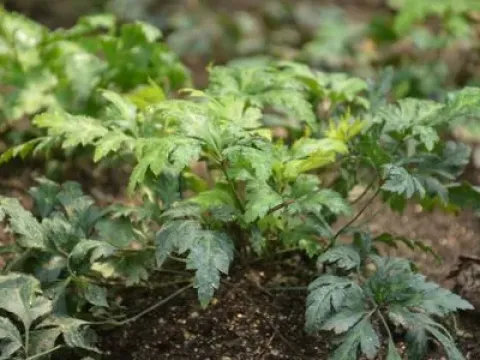
Coptis chinensis
Coptis chinensis
Coptis chinensis is a perennial herbaceous plant belonging to the Ranunculaceae family, widely recognized for its significant medicinal value in traditional practices.
What the section contains
Coptis chinensis
Propagation is typically done through seeds during late autumn or early spring, provided they have undergone a necessary cold stratification period.
Vegetative propagation via rhizome division is a common agricultural practice that ensures consistent genetic quality and faster establishment of new plantations.
When using seeds, they must be sown in nutrient-rich, moist substrates, as they are extremely small and susceptible to desiccation during germination.
Transplanting seedlings to open fields should occur once the threat of frost has passed, ensuring the plants are spaced correctly for long-term development.
This crop thrives in cool, moist, and temperate mountain climates, requiring environmental conditions similar to its native forest habitat.
Soil must be rich in organic matter, well-aerated, and possess excellent drainage capabilities to prevent root rot in the sensitive rhizomes.
Coptis chinensis is a shade-loving species, meaning that artificial shading structures are essential to mimic the forest canopy throughout the growing season.
The ideal soil pH is slightly acidic, which supports the healthy uptake of minerals and prevents the nutrient deficiencies common in alkaline soils.
Consistent moisture management is vital, as both drought and waterlogging can severely hamper the plant's growth and secondary metabolite production.
The production of Coptis chinensis is a long-term investment, with rhizomes generally requiring five to seven years of growth before reaching harvest maturity.
Yield productivity is heavily influenced by site selection, soil fertility management, and the effectiveness of the shading systems implemented on the farm.
As the plant ages, the concentration of active compounds, particularly berberine, typically increases, making older crops more valuable.
Optimal yields are achieved through meticulous manual care, including regular weeding and targeted fertilization, which are crucial for rhizome mass development.
Ongoing research into improved agricultural practices aims to optimize yield quality and reduce the time required to produce high-grade commercial rhizomes.
The crop is highly susceptible to fungal diseases, especially root rot and leaf blight, which flourish in high humidity and stagnant air conditions.
Pests such as soil-dwelling larvae and nematodes can significantly damage the root systems, leading to reduced vitality and susceptibility to secondary infections.
Integrated pest management, including crop rotation and the use of eco-friendly biological fungicides, is the preferred strategy for maintaining plantation health.
Proper thinning and canopy management help improve air circulation, significantly lowering the risk of disease outbreaks within dense plantings.
Proactive monitoring for signs of infection is necessary to intervene early and prevent the spread of diseases across the agricultural field.
Harvesting is performed during the plant's dormancy period, typically in the autumn, to ensure the highest possible concentration of medicinal alkaloids.
Rhizomes are carefully excavated to avoid breakage or damage, which is essential to maintain the integrity and market value of the herbal product.
Post-harvest processing involves thorough cleaning to remove soil particles and rinsing in clean water before moving to the drying stage.
Controlled drying is crucial; the rhizomes must be dried until they reach a specific moisture content that prevents spoilage while preserving active ingredients.
Once dried, the product is sorted into commercial grades, packaged, and prepared for distribution to pharmaceutical manufacturers and herbal suppliers.