
Consolida rugulosa
Consolida rugulosa
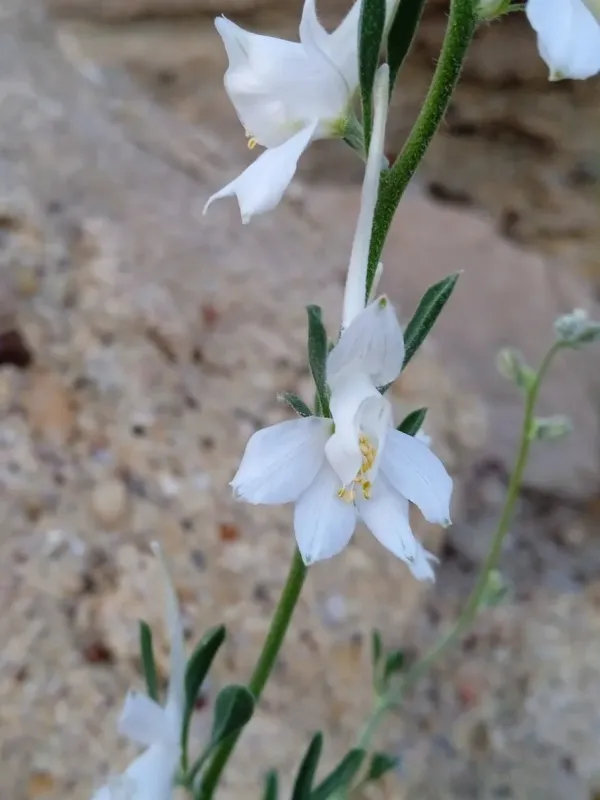
Description
Sowing dates
Consolida rugulosa is an annual plant belonging to the Ranunculaceae family. It is typically propagated by seeds sown directly into the prepared field in early spring.
Optimal sowing time occurs when soil temperatures reach 5–10 degrees Celsius. In milder climates, autumn sowing is possible, allowing seeds to germinate early the following spring.
The seeds should be covered with a thin layer of soil, no deeper than 2 centimeters, to ensure proper light exposure for germination. Spacing should be adjusted to allow for sufficient air circulation.
Since the species features a deep taproot, it does not respond well to transplanting. Direct seeding into the permanent location is the recommended agricultural practice.
Seedlings usually emerge within two to three weeks depending on environmental conditions. Constant soil moisture must be maintained during the initial stages of seedling development.
Growing requirements
The crop requires full sun exposure for healthy growth. Shade leads to weak, spindly stems that may collapse during flowering or strong winds.
It thrives in well-drained, fertile soils with a neutral pH. Improving soil structure with organic matter or drainage components is recommended for heavy clay sites.
Water requirements are moderate. While the plant can withstand short dry spells, consistent moisture without waterlogging is key to achieving high biomass.
Effective weed control is essential in the early stages of growth to prevent resource competition. Mechanical weeding should be performed carefully to avoid root damage.
Applying phosphorus and potassium fertilizers during the pre-flowering stage significantly enhances flower production and plant resilience against environmental stress.
Main diseases and pests
Powdery mildew represents a significant fungal threat, especially during humid periods with significant temperature fluctuations between day and night.
Root rot is a common issue caused by poor drainage or excessive irrigation. Improving the soil aeration profile is the best preventative strategy.
Aphids and mites can infest the young vegetative parts of the plant. Integrated pest management, including natural predators or specific insecticides, is recommended.
Viral infections may occur, often transmitted by insects. Once a plant is infected, it should be removed and destroyed to prevent spread within the crop.
Slug infestations can be problematic in rainy conditions. Using bait traps or physical barriers around the perimeter can effectively protect young seedlings from damage.