
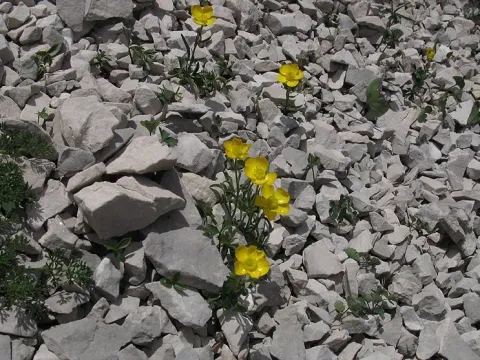
Venetian buttercup
Ranunculus venetus
The Venetian buttercup, a perennial herbaceous plant, is primarily propagated through the division of its fleshy root systems rather than seed sowing.
What the section contains
Venetian buttercup
Timing is critical, and the ideal planting window falls in early spring when the soil starts warming up, or during the autumn dormancy period.
When dividing the plant, ensure that each section has at least one or two healthy growth buds to guarantee successful establishment in the new location.
Seed-based propagation is considered a more complex method that requires cold stratification to break seed dormancy and ensure uniform germination.
Seeds should be sown in a well-draining, sterile potting mix in late autumn, allowing the winter cold to naturally prime them for spring growth.
As a member of the Ranunculaceae family, the Venetian buttercup thrives in environments that provide consistent moisture without waterlogging.
The plant performs best in nutrient-rich, loamy soils with a near-neutral pH balance, which promotes robust root development and foliage health.
Regarding light exposure, the species favors bright, filtered sunlight; extreme heat can cause the plant to enter a premature state of summer dormancy.
Regular maintenance, including shallow cultivation of the soil surface, helps preserve moisture levels and prevents the competition from fast-growing weeds.
Adding organic compost during the early spring season supports the plant's metabolic processes and provides a steady supply of micronutrients.
The main challenges in cultivating this crop are associated with soil-borne pathogens, which proliferate in poorly drained and stagnant environments.
Powdery mildew represents the most significant threat to the aerial parts of the plant, often appearing during periods of high humidity and poor airflow.
Root rot caused by fungal activity is another major concern that necessitates strict adherence to watering schedules and the use of well-draining soil mixes.
Insect pests, including aphids and root-knot nematodes, can cause severe structural damage to the plant, reducing its vigor and overall output.
- Integrated pest management practices.
- Routine removal of diseased foliage.
- Use of disease-resistant planting stock.