
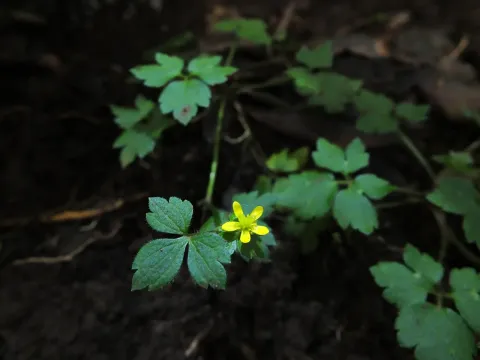
Wallich's buttercup
Ranunculus wallichianus
Wallich's buttercup (Ranunculus wallichianus) is a member of the Ranunculaceae family, primarily native to the mountain regions of Asia, where it thrives in cool, moist environments.
What the section contains
Wallich's buttercup
In agricultural practice, this plant prefers semi-shaded areas where the intensity of UV radiation is minimized to prevent leaf dehydration during the summer months.
The ideal soil substrate for successful cultivation is a well-drained loam rich in organic matter, providing both the necessary nutrients and efficient water management.
Climate adaptation involves managing the plant's sensitivity to drought; consistent moisture levels are essential during the budding phase to ensure high-quality growth.
Botanical traits include a distinctive stem structure and compound leaf arrangement, which allow the plant to efficiently capture light in its natural, often shaded habitats.
Powdery mildew represents a significant threat to Wallich's buttercup, particularly when plantings are too dense or air circulation within the field is insufficient.
Root rot, driven by stagnant water or compacted soil, often acts as a primary cause of plant death and requires immediate attention to drainage improvement.
Common pests such as aphids and spider mites frequently target the succulent parts of the plant, necessitating regular monitoring throughout the growing season.
Integrated pest management strategies are recommended to keep the population of harmful insects below the economic injury level without excessive chemical use.
Proper sanitation practices, including the removal of dead or infected plant debris, are critical to reducing the inoculum level of pathogens in the soil.