
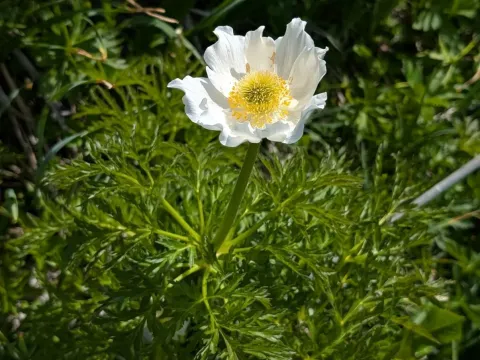
Pulsatilla alba
Pulsatilla alba
Seeds of Pulsatilla alba are typically sown in late autumn or early spring after a necessary period of cold stratification. The ideal time for germination is when temperatures stabilize between 10 and 12 degrees Celsius.
What the section contains
Pulsatilla alba
To improve germination rates, seeds should be soaked in growth stimulants. Seedlings develop slowly, requiring a consistent moisture level in the substrate to ensure successful establishment during the first growth phase.
When sowing in open ground, seeds should only be lightly covered with a thin layer of sand or light peat. Exposure to natural light is vital for triggering germination, so ensure the sowing site remains unobstructed by heavy debris.
Commercial nurseries often use cell trays for propagation. This method supports strong root development and allows for careful transplantation later, minimizing root stress which is critical for this species.
Pricking out seedlings is performed once two true leaves have developed. Growers must exercise extreme caution, as any damage to the central taproot can significantly reduce the survival rate of the young plants.
Pulsatilla alba is a member of the Ranunculaceae family and is recognized as a hardy perennial. Originally native to alpine and subalpine mountain slopes, it is well-adapted to rocky and well-drained environments.
The soil must be light, porous, and preferably alkaline or neutral in pH. Because the plant is highly susceptible to root rot, ensure that the planting site has excellent drainage, particularly in areas with high rainfall.
As a sun-loving species, Pulsatilla alba requires full exposure to sunlight throughout the growing season. Lack of sufficient light results in leggy growth and a substantial reduction in the production of flower stalks.
While the plant exhibits drought tolerance typical of mountain flora, supplemental irrigation during the spring active growth phase is recommended. This promotes better foliage health and ensures a more prolific flowering period.
This species is exceptionally cold-hardy, having evolved in environments with extreme winter conditions. No specialized winter protection is necessary in most temperate climates, making it a reliable perennial for rock gardens.
Fungal infections, primarily root rot, are the most significant threats to Pulsatilla alba. These issues are almost exclusively linked to poor drainage or excessive soil moisture levels during dormant periods.
Insect pests such as aphids may occasionally target the foliage during warm weather. Integrated pest management, including regular inspection and the use of insecticidal soap, is effective in keeping infestations under control.
Rust diseases can occur on the foliage if air circulation is insufficient. To prevent the spread of fungal spores, ensure plants are spaced correctly and remove any affected tissue immediately upon detection.
Soil-dwelling larvae, such as those of the June beetle, can feed on the root system and cause sudden plant decline. Pre-planting soil treatment with appropriate insecticides is a recommended preventive measure.
Slugs and snails may occasionally graze on young spring growth. Barrier methods, such as copper tape or crushed eggshells, combined with bait traps, can effectively mitigate damage to the ornamental parts of the plant.