
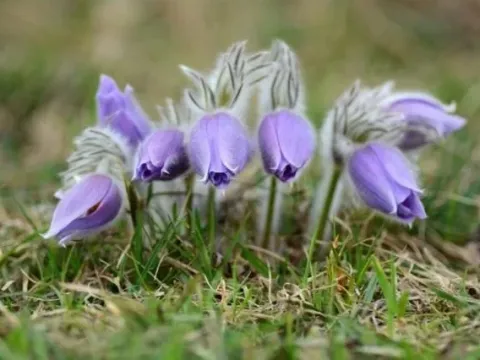
Pulsatilla
Pulsatilla
Pulsatilla seeds are best sown in autumn, directly into the soil or seed trays, to allow for natural cold stratification during the winter months. This mimics their natural habitat cycle and significantly improves germination rates.
What the section contains

Pulsatilla
If sowing in spring, artificial stratification is required. Place the seeds in moist vermiculite in a sealed bag within a refrigerator at approximately +2 to +5 degrees Celsius for about 6 to 8 weeks before sowing.
The seeds should be sown on the surface of the soil. Since they require light for germination, they should not be covered with a thick layer of compost; a very light dusting of sand is sufficient.
Germination is often erratic and may take several weeks or even months. Maintaining constant moisture during the germination period is critical, but avoid making the soil waterlogged to prevent rot.
Once seedlings are large enough to handle, transplant them into their permanent location. Handle with care, as Pulsatilla develops a deep taproot early on, which is extremely sensitive to disturbance and transplanting shock.
Pulsatilla, a member of the Ranunculaceae family, is a herbaceous perennial prized for its beautiful bell-shaped flowers and feathery foliage. It is native to temperate regions across the Northern Hemisphere, often found on dry meadows and rocky slopes.
This plant thrives in full sun and requires well-drained, gritty, or sandy soil. It is highly adapted to poor soil conditions and does not require rich fertilization; in fact, heavy feeding can harm the plant.
Excellent drainage is the most vital requirement. The plant is prone to root rot if the soil remains damp, particularly during the dormant winter period, so rocky or raised beds are ideal for cultivation.
Pulsatilla is remarkably hardy and tolerant of cold temperatures. Once established, it is also highly drought-tolerant, making it an excellent choice for rock gardens, gravel gardens, and xeriscaping projects.
The plant goes into a dormant phase after seeding. The foliage often disappears or withers in mid-summer, so it is helpful to interplant it with other perennials that will cover the bare space later in the season.
Fungal diseases are the primary threat, usually associated with poor soil drainage and high humidity. Root rot is the most common issue, often caused by water standing around the crown of the plant during the winter.
Powdery mildew can occur if there is insufficient air circulation around the foliage. Ensuring plants are spaced appropriately and avoiding overhead watering can help mitigate this risk.
Slugs and snails may target the young, tender growth during early spring. Protect emerging seedlings with physical barriers or organic slug pellets to prevent significant foliage damage.
Root-feeding larvae, such as those of the cockchafer beetle, can pose a fatal threat to the plant by destroying its primary taproot. Vigilance and soil health are the best defenses against such underground pests.
Regular maintenance, such as deadheading after flowering to prevent self-seeding and removing dead foliage in late summer, helps maintain plant health and reduces the environment conducive to pathogen growth.