
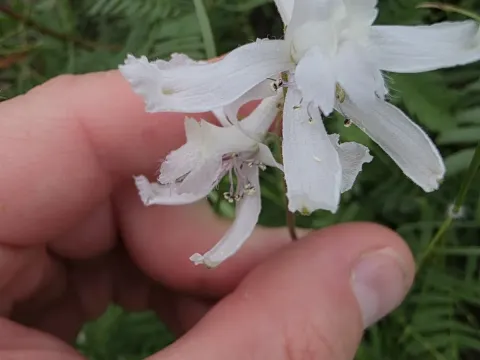
Prairie larkspur
Delphinium virescens
Sowing Delphinium virescens seeds is most successful when performed in the fall, allowing for natural winter stratification. This period of cold exposure is essential for breaking seed dormancy and ensuring uniform germination rates in the following spring.
What the section contains
Prairie larkspur
If starting seeds indoors, use a well-draining seed-starting mix and maintain a consistent temperature of about 60–65°F (15–18°C). The seeds should be barely covered with soil, as they require some light to stimulate the germination process properly.
Once seedlings have developed two sets of true leaves, they should be transplanted into individual pots. Providing bright, indirect light is crucial during this stage to prevent the plants from becoming leggy and weak.
Before transplanting to their permanent outdoor location, the seedlings must be hardened off gradually over a week. This process allows the young plants to adjust to outdoor light levels and fluctuations in temperature without suffering transplant shock.
Ensure that seedlings are spaced approximately 15 inches apart when planting in the garden. Proper spacing promotes healthy airflow, which is critical for minimizing the risk of fungal infections later in the growing season.
As a native plant of the North American prairies, Delphinium virescens thrives in full sun exposure. It is highly adapted to open landscapes and requires at least six to eight hours of direct sunlight daily for vigorous growth.
The ideal soil for this species is well-drained, sandy, or loamy soil with a neutral to slightly alkaline pH. Heavy clay soils that retain excess moisture can lead to root rot, which is the primary cause of plant failure in garden settings.
The species exhibits excellent drought tolerance once established, making it a low-maintenance choice for dry gardens. During the initial planting year, however, regular watering is necessary to support root system development.
Fertilization should be handled with caution, as excessive nitrogen can result in weak stems that are prone to lodging. A light application of balanced, slow-release fertilizer in early spring is generally sufficient for healthy development.
Maintenance tasks include occasional deadheading of spent flower stalks to encourage neatness, although leaving some stalks can allow for self-seeding. Mulching around the base with light organic matter helps retain moisture while keeping the root zone cool.
Root rot is the most significant threat to prairie larkspur, usually triggered by poor drainage or overwatering. Maintaining well-aerated soil and avoiding water accumulation around the crown is vital for long-term health.
Powdery mildew is a common foliage disease, especially during periods of high humidity and poor air circulation. Improving plant spacing and applying preventative organic fungicides can effectively control the spread of this condition.
Aphids can accumulate on the flower buds and tender tips, extracting sap and reducing the plant's vigor. Regular inspection and the use of insecticidal soap or neem oil are effective strategies for managing these small pests.
Slugs and snails can be particularly destructive to young foliage in the early spring. Implementing physical barriers or using pet-safe bait around the plants will protect the emerging green growth from being consumed.
Proper garden hygiene, including the removal of dead foliage at the end of the season, reduces the overwintering sites for pests and pathogens. This simple practice promotes a cleaner, more disease-resistant environment for the next cycle.