
Pseudo-altaic anemone
Anemone pseudoaltaica
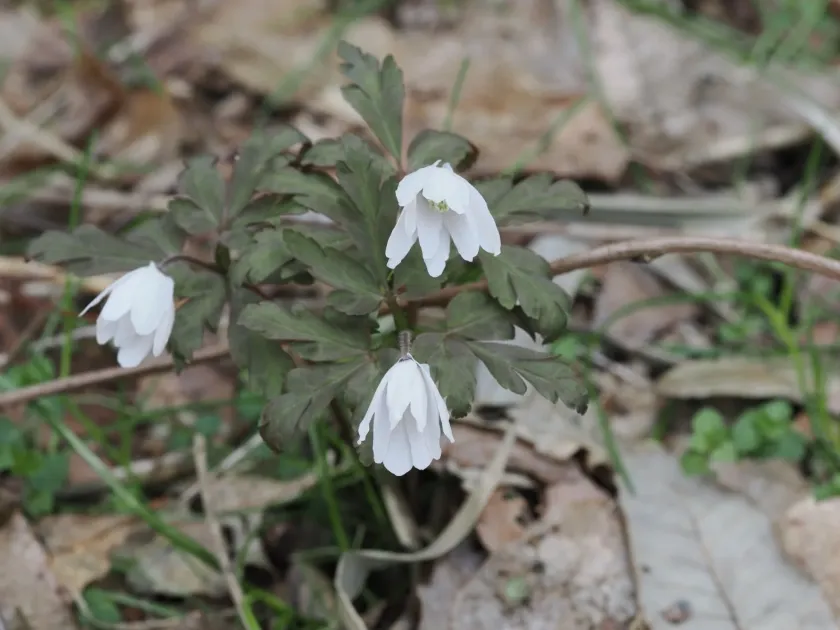
Description
Growing requirements
The pseudo-altaic anemone (Anemone pseudoaltaica) is a perennial herbaceous plant belonging to the Ranunculaceae family. It is a classic forest ephemeral, characterized by a rapid life cycle that occurs in early spring before the forest canopy closes.
The plant possesses a thin, creeping rhizome that enables it to spread effectively within suitable habitats. It thrives in partial shade, mimicking the forest floor environment with loose, well-drained, and humus-rich soil.
In terms of cultivation, this species is noted for its excellent winter hardiness. It prefers slightly acidic to neutral soils that retain moisture without becoming waterlogged, as poor drainage is a significant stress factor for its roots.
Environmental requirements include a cool spring climate, which is essential for the plant to complete its reproductive cycle. As temperatures rise and sunlight becomes blocked by trees, the plant naturally enters a period of dormancy.
Proper soil management involves applying a layer of organic mulch, such as leaf mold, to simulate its natural habitat. This maintains the necessary moisture levels and provides gradual nutrient release for the plant.
Main diseases and pests
Pseudo-altaic anemone is generally robust, but it can be susceptible to fungal infections like powdery mildew or various leaf spots if planted in areas with insufficient air circulation and high humidity levels.
Pests such as slugs and snails are the primary concern during the active spring growth phase, particularly in gardens with high soil moisture. Integrated pest management using physical barriers is usually sufficient.
Root rot is the most serious threat, primarily caused by water stagnation. Ensuring a well-draining soil structure is the most effective preventative measure against this condition.
Maintenance should include cleaning up organic debris from the surrounding area to prevent the harboring of pathogens. Avoid overcrowding the plants to ensure enough space for individual root systems to develop.
Early intervention is recommended if signs of wilting appear, as this often indicates that the drainage requirements are not being met or that the rhizomes are under stress from environmental factors.