
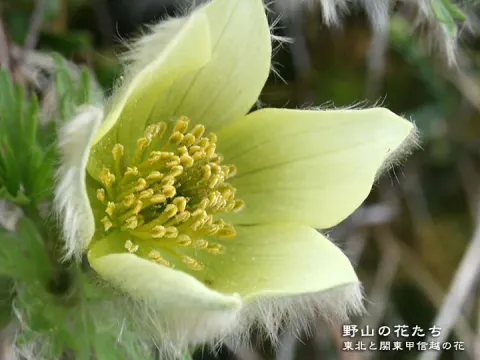
Pulsatilla nipponica
Pulsatilla nipponica
Sowing Pulsatilla nipponica is ideally performed in the spring, once the soil has warmed up and the danger of severe frost has passed. Using fresh seeds is critical for high germination rates, as the viability of the seed drops significantly after prolonged storage, making immediate sowing a preferred practice.
What the section contains
Pulsatilla nipponica
For seed propagation, use a lightweight, well-draining substrate mix comprising peat and coarse sand to prevent moisture accumulation. Seeds should be sown superficially, lightly pressed into the surface, and kept under conditions of moderate humidity until germination begins, which typically takes about a month.
Seedlings require careful handling when pricking out into individual pots, as the root system of this species is fragile and highly sensitive to disruption. It is advisable to allow the plants to develop into robust specimens in containers before transplanting them into their final outdoor location.
When moving to a permanent site, choose a position that mimics the plant's natural alpine habitat. Plant spacing should be generous, about 30 to 40 centimeters apart, to ensure adequate airflow and prevent the development of diseases caused by dense foliage and stagnant air around the root crown.
As a member of the Ranunculaceae family, the plant displays a relatively slow growth habit in the early stages. Gardeners should expect to wait two to three years for the plants to reach full maturity and display their first significant bloom, requiring patience and consistent care throughout this growth cycle.
Pulsatilla nipponica thrives in open, sunny locations with well-draining, stony or sandy soils. A primary requirement for successful growth is avoiding waterlogged conditions, as the root crown is exceptionally prone to rotting if exposed to excessive moisture for extended periods during the year.
The climate requirements for this species are based on its origin in Japanese alpine regions, favoring cool, temperate conditions with high light intensity. It demonstrates excellent cold hardiness but requires a stable environment to prevent heat-related stress during the height of the summer season.
Watering should be conducted sparingly and directly at the base of the plant to avoid wetting the pubescent leaves, which can trap moisture and invite fungal pathogens. Maintain a consistent, light moisture level in the substrate without reaching the saturation point that hampers root aeration.
Fertilization should be handled with caution, utilizing mineral fertilizers low in nitrogen to avoid promoting overly lush vegetative growth. Excess nitrogen can reduce the plant's natural resilience to winter conditions and diminish the intensity of its decorative flowering performance.
Mulching the root area with small gravel or grit is an essential agrotechnical practice. This mimics the natural scree habitat, helps regulate soil temperature, prevents the leaves from coming into contact with damp soil, and reduces the frequency of weeds competing for vital soil nutrients.
Fungal infections, particularly gray mold and root rot, represent the most significant threats to Pulsatilla nipponica. These conditions are primarily driven by poor drainage and excessive humidity, requiring immediate intervention with systemic fungicides and the removal of affected plant tissue to save the specimen.
Pests such as aphids and spider mites can attack the plants during dry summer intervals, causing discoloration and weakening the overall vigor of the foliage. Integrated pest management, focusing on early detection and the use of insecticidal soaps, is highly effective for maintaining plant health.
Slugs and snails can be particularly destructive during the emergence of new spring shoots, requiring protective measures such as physical barriers or slug traps. Regular inspection of the garden bed helps to identify and mitigate these threats before significant damage occurs to the decorative foliage.
Maintaining a clean garden environment is vital for preventing the spread of diseases. Clearing away dead leaves and debris from the base of the plant reduces the habitat for potential pathogens, ensuring better air circulation and reducing the risk of opportunistic infections during wet weather.
Because the plant is sensitive to its environment, professional care involves monitoring the soil moisture levels and light exposure throughout the seasons. Avoiding the use of strong pesticides and maintaining a balanced, mineral-rich soil will keep the plant robust and resistant to most biotic stresses.