
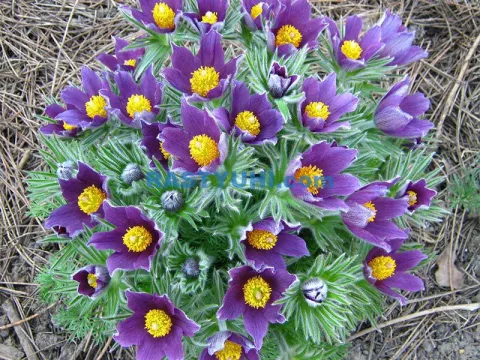
Pulsatilla hybrids
Pulsatilla hybrids
Sowing seeds of Pulsatilla hybrids should be done immediately after harvesting, as the seeds lose viability very quickly. The ideal time for planting is typically late June or July.
What the section contains
Pulsatilla hybrids
Fall sowing is also a highly effective method. Planting the seeds outdoors in October allows for a natural winter stratification process, which significantly improves the germination rate in the following spring.
For container-grown seedlings, use a light, well-draining substrate amended with sand or perlite. Maintaining constant but light moisture is key, as waterlogged soil will cause the seeds to rot before they sprout.
The seeds should be sown at a shallow depth of no more than 0.5 to 1 cm. Covering the surface with a thin layer of fine sand helps to stabilize the moisture level and facilitates easier germination.
Germination can be irregular and slow, often taking up to six weeks. It is important to keep the containers in a sheltered area with indirect light and stable temperatures to support the delicate emerging sprouts.
Pulsatilla hybrids are esteemed members of the Ranunculaceae family, characterized by their beautiful, bell-shaped flowers and feathery foliage. These plants are the result of hybridizing various wild pasqueflower species.
The crop thrives in well-drained, sandy, or loamy soils with a neutral to slightly alkaline pH. Drainage is the most critical factor; these plants cannot tolerate "wet feet" and will succumb to root rot in heavy or compacted soil.
They are sun-loving plants that require full exposure to perform their best. While they can handle light shade in very hot climates, consistent shade will lead to leggy, weak plants with poor flowering performance.
These hybrids are highly frost-tolerant and well-suited for temperate climates. Their main winter requirement is soil that remains relatively dry, as standing water during spring thaws can lead to crown rot.
Maintenance is minimal, including occasional weeding and supplemental watering during extreme droughts. Because they develop a deep taproot, they should be planted in their permanent location and left undisturbed for many years.
Fungal diseases are the primary threat to Pulsatilla hybrids, with Botrytis (gray mold) being the most prevalent. This condition usually occurs when humidity levels remain too high for extended periods.
Root and crown rots are common consequences of poor soil drainage. Infected plants often show sudden wilting, and upon closer inspection, the crown tissues will appear mushy and discolored due to fungal activity.
Insects like aphids and spider mites can occasionally target the foliage, especially during dry, warm spells. These pests suck the sap from leaves, potentially causing stunted growth and reducing the plant's overall vigor.
Effective management includes using targeted fungicides and maintaining proper plant spacing to ensure good air circulation. Keeping the planting area clean of decaying organic matter helps reduce disease pressure.
Additionally, small mammals like voles may occasionally damage the root system during winter. Protecting the root zone with mesh wire during the initial planting phase is a reliable way to secure the plant against such damage.