
Pulsatilla dahurica
Pulsatilla dahurica
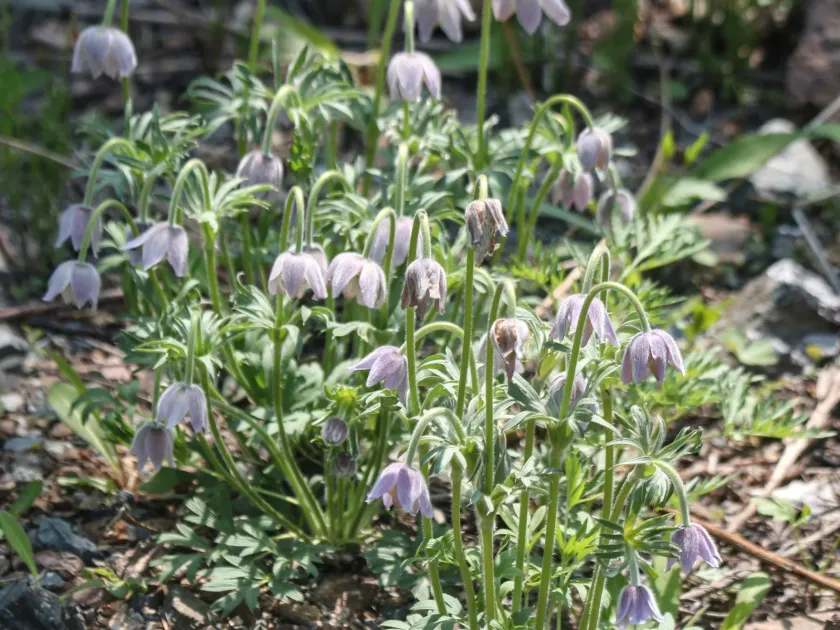
Description
Sowing dates
Sowing Pulsatilla dahurica is most successful when using fresh seeds immediately after harvest, as their viability decreases significantly over time. Autumn is the preferred time for sowing, allowing the seeds to undergo natural stratification through winter conditions.
For spring sowing, seeds must be artificially stratified in a cool environment (refrigerator) for at least 60 days to break embryo dormancy. Without this cooling period, germination rates will be extremely low or non-existent.
Seeds should be covered with a thin layer of soil, approximately 5–10 mm deep, or simply pressed into the substrate. A light covering of sand is beneficial to prevent soil crusting and maintain stable moisture for the delicate emerging radicles.
Germination is often uneven and may take several weeks, requiring patience and constant monitoring. Using a clear cover to maintain humidity is recommended during the initial development stages, but adequate ventilation must be provided to prevent rot.
Once seedlings develop their first true leaves, they should be carefully transplanted. It is crucial to minimize disturbance to the taproot system, as the plant is sensitive to transplanting and may struggle to establish if roots are damaged.
Growing requirements
Pulsatilla dahurica is a herbaceous perennial belonging to the Ranunculaceae family. It is well-known for its distinctive silky hairs that cover the leaves and stems, serving as an adaptation to cold and dry environments.
The plant thrives in open, sunny locations with direct sunlight. It is native to the rocky, well-drained slopes of Eastern Siberia, Mongolia, and Northern China, which defines its preference for high light intensity and exposure.
Soil requirements are strict regarding drainage; the species cannot tolerate waterlogged soils. The ideal substrate is a neutral to slightly alkaline, sandy or gravelly soil that provides excellent aeration and prevents moisture stagnation.
The species is exceptionally hardy and capable of surviving extreme winter temperatures common in its native continental climate. It does not require winter protection, but it is highly dependent on dry conditions during the dormant period.
Maintenance involves minimal irrigation, primarily during dry spells. Fertilizer application should be avoided or kept to a absolute minimum, as the plant is adapted to nutrient-poor soils and excessive nutrients can reduce its longevity.
Main diseases and pests
Root and crown rot caused by pathogenic fungi represent the most significant threat to Pulsatilla dahurica. These diseases are almost always associated with poor drainage or excessive soil moisture during the dormant season.
Slugs and snails can be highly destructive to young plants, often grazing on the foliage during cool, wet spring weather. Protective barriers or organic bait traps are effective methods to mitigate these infestations in garden beds.
Powdery mildew can occasionally affect the foliage if the air circulation around the plants is inadequate. Maintaining spacing between plants and avoiding overhead irrigation can significantly reduce the incidence of this fungal issue.
While the plant is generally resistant to many pests, aphids may occasionally colonize the flower buds. Regular inspection of the plant canopy allows for early intervention using insecticidal soaps if population levels become alarming.
The best strategy for disease management is the prevention of environmental stress. By ensuring optimal site selection with superior drainage and appropriate sunlight, the need for chemical intervention is typically eliminated.