
Pubiflora columbine
Aquilegia pubiflora
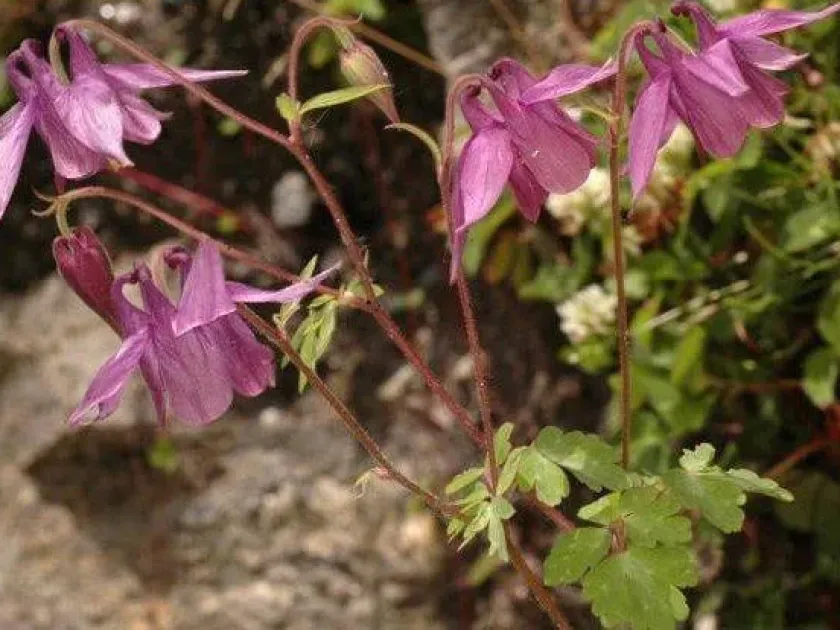
Description
Sowing dates
Seeds of the pubiflora columbine (Aquilegia pubiflora) are typically sown in late autumn in open ground or early spring in seed trays. Cold stratification significantly improves germination rates, as the plant naturally follows a cycle of exposure to low temperatures.
When sowing indoors in spring, cover the seeds lightly with substrate. It is crucial to maintain consistent soil moisture until the first sprouts appear, a process that usually takes two to four weeks.
Once two pairs of true leaves emerge, seedlings should be pricked out into individual pots. Transferring the young plants to their permanent outdoor location is recommended only after the risk of late night frosts has passed.
For direct outdoor sowing, choose areas with light, well-draining soil. An optimal planting distance of 30–40 cm between individual plants is necessary to ensure proper airflow and prevent moisture accumulation.
While vegetative propagation is possible, columbines generally dislike root division due to their taproot system. Therefore, seed propagation remains the preferred method for maintaining healthy and vigorous stock.
Growing requirements
Aquilegia pubiflora, belonging to the Ranunculaceae family, naturally originates from mountainous regions. This heritage dictates its preference for partially shaded garden spots, away from the harsh direct midday sun.
The plant is moderately demanding regarding soil, preferring loose, fertile loams with a neutral to slightly acidic pH. Avoiding waterlogging is critical to prevent collar rot of the root system.
The optimal temperature for active growth ranges between 18–22 degrees Celsius. The species exhibits high winter hardiness typical of alpine flora, successfully enduring harsh winters provided there is a layer of snow cover.
Cultural practices include regular but moderate irrigation, especially during dry spells. Mulching the base of the plant helps retain moisture and protects the root zone from extreme overheating during the summer.
Fertilization should be performed twice per season: using complex nitrogen-based fertilizers at the start of the growth phase, and phosphorus-potassium blends after blooming to prepare the plant for dormancy.
Main diseases and pests
The pubiflora columbine is susceptible to common garden pests, with aphids being the most problematic. These insects feed on the sap of tender buds and young foliage, leading to significant deformation of the plant.
Spider mites can proliferate rapidly in hot and dry weather conditions. Their feeding activity causes yellow spotting on leaves followed by drying, which drastically reduces the plant's overall aesthetic appeal.
Powdery mildew is the most frequent fungal disease affecting this crop. It presents as a characteristic white powdery coating on aerial plant parts, necessitating the prompt removal of affected material.
Root rots are usually a direct result of poor horticultural management, such as over-irrigation. Prevention relies on improving soil drainage and adhering to strict watering schedules.
For effective disease and pest control, the use of systemic fungicides and broad-spectrum insecticides is advised. Preventive treatments applied in early spring can significantly minimize the risk of infestation.