
Pulsatilla campanella
Pulsatilla campanella
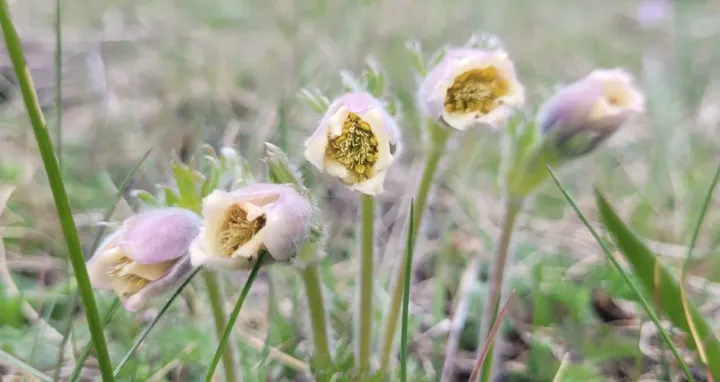
Description
Sowing dates
Seeds of Pulsatilla campanella are typically sown in late autumn for winter stratification or in early spring after cold treatment. Surface sowing is essential as the seeds require light to germinate effectively.
For container-grown seedlings, use peat pots to minimize root disturbance during transplanting. The taproot is highly sensitive to damage, so once a plant is established, it should not be moved.
The germination period usually lasts between three to five weeks depending on the temperature consistency. Keeping the substrate moist but not waterlogged is critical during this stage.
When moving seedlings to the garden, maintain a spacing of at least 30 cm between plants. Proper airflow between the foliage helps maintain plant health and reduces the risk of fungal infections.
Soil preparation before sowing should include loosening the earth to a depth of 20-30 cm to allow the long taproot to penetrate the ground without obstruction.
Growing requirements
Pulsatilla campanella belongs to the Ranunculaceae family and is native to mountain and steppe regions. It demands full sun exposure and will perform poorly in shaded or semi-shaded environments.
The soil must be well-drained, preferably rocky, sandy, or loamy, with neutral to slightly alkaline pH levels. Water drainage is the most vital factor for the longevity of this perennial.
The plant is highly frost-hardy and does not require winter protection. In fact, excessive mulching or covering can trap moisture, leading to crown rot during the spring thaw.
Mature plants are drought-tolerant and rarely require supplemental watering except during extremely dry periods in the growing season. The plant's physiology is adapted to low-moisture environments.
Feeding should be kept to a minimum. A small application of well-rotted compost in early spring is sufficient to support flowering without encouraging overly rapid vegetative growth.
Main diseases and pests
Fungal root rots remain the primary threat to Pulsatilla species. These diseases are almost always associated with poor drainage, heavy soils, or excessive humidity around the root collar.
Powdery mildew may appear on the leaves during humid, stagnant conditions. Improving ventilation and using sulfur-based fungicides can help control the spread of the disease.
Small chewing insects and aphids can cause aesthetic damage to the leaves or flower buds. Regular monitoring and use of organic insecticidal soaps are usually effective against these pests.
Slugs and snails often target young seedlings. Protective barriers like crushed eggshells or copper tape around the base of the plant can provide an effective deterrent.
Cultural control, such as removing debris and preventing weeds from crowding the plants, is the best strategy to ensure long-term vitality and disease resistance.