
Peacock Anemone
Anemone pavoniana
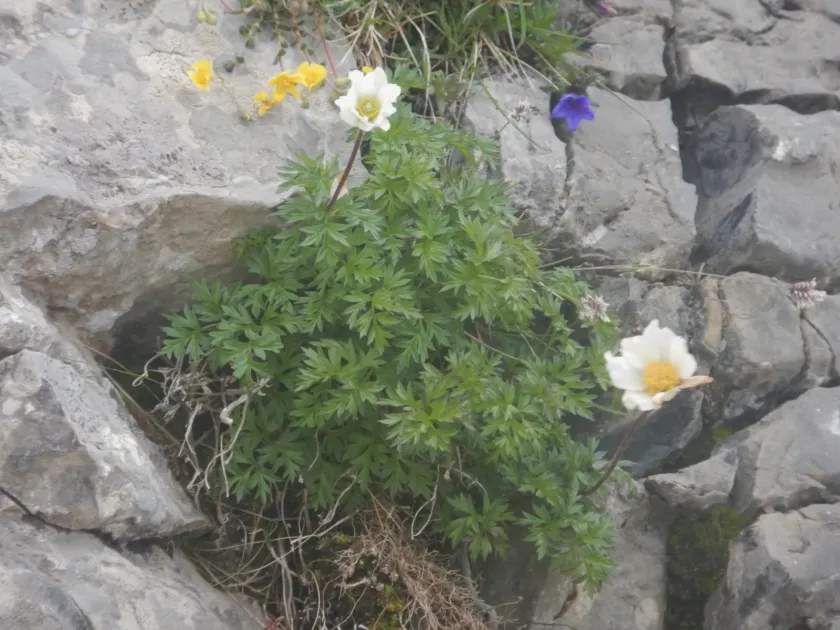
Description
Growing requirements
The Peacock Anemone (Anemone pavoniana) belongs to the Ranunculaceae family. It is a perennial herbaceous plant known for its striking appearance and specific environmental needs that must be met for optimal growth.
This crop thrives in well-drained, fertile soils with a neutral to slightly alkaline pH. Proper soil structure is critical, as heavy or waterlogged soils often lead to root decay and the loss of the entire plant population.
Light requirements are moderate to bright, but the plant requires protection from intense midday sun, which can cause leaf scorch. Dappled shade or eastern-facing locations are generally considered ideal for commercial cultivation.
Climate adaptability is an essential factor for this species. It prefers cool to moderate temperatures and requires consistent moisture during the vegetative phase without ever sitting in stagnant water.
For agricultural purposes, soil preparation should include the incorporation of organic matter to improve aeration. High-quality drainage is the single most important factor for long-term survival in open-field or greenhouse environments.
Main diseases and pests
Fungal diseases are the primary threat to the Peacock Anemone. Root rot caused by Pythium or Phytophthora is common in environments where drainage is insufficient, often leading to rapid decline.
Powdery mildew is another significant risk, particularly in high-humidity conditions with poor air circulation. Providing adequate spacing between plants is a critical cultural practice to mitigate this risk.
Pest pressure from aphids and mites can cause significant damage to the foliage and flower buds. Integrated pest management strategies, including the use of neem oil or targeted biological controls, are recommended.
Leaf nematodes pose a hidden but severe threat. Early detection through regular monitoring and the removal of suspect plant material are necessary to prevent the spread of these microscopic pests.
Proper hygiene, such as disinfecting tools and removing debris at the end of the season, plays a vital role in maintaining a healthy crop and preventing the carry-over of pathogens between planting cycles.