
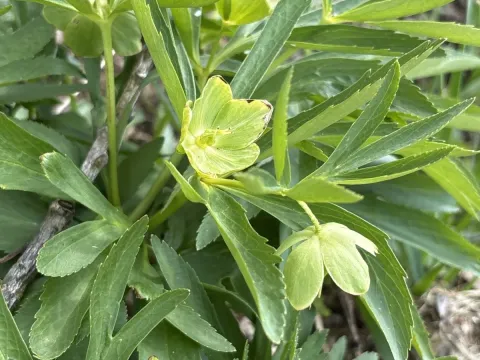
Green hellebore
Helleborus dumetorum
Helleborus dumetorum is primarily propagated by seeds or division of mature rootstocks. Seed sowing should take place in late summer, as the seeds require a period of cold stratification over winter to break dormancy and germinate effectively in the spring.
What the section contains
Green hellebore
When starting from seed, maintain a moist, shady environment and avoid disturbing the young seedlings during their first growing season. Growth is generally slow, and it may take three to four years before the first flowers appear.
Division is a more rapid way to multiply established clumps. This task is best performed in early spring or late summer when the plant is not in its peak growth phase. Ensure each division contains several healthy buds and a robust root system.
After dividing, plant the pieces at the same depth they were originally growing. Immediate watering is essential to help the plants establish themselves in their new locations without drying out.
Container cultivation is a common practice for nursery production, which allows for better management of soil moisture and nutrient levels during the sensitive early stages of the plant's life cycle.
As a member of the Ranunculaceae family, the green hellebore is native to the woodland regions of Central Europe. It thrives in dappled shade conditions, mimicking the natural environment of its forest floor habitat.
The ideal soil is moisture-retentive, rich in organic matter, and well-drained. While the plant prefers alkaline or neutral soil, it is adaptable to a wide range of garden conditions provided there is no long-term waterlogging.
This species is exceptionally cold-hardy, capable of surviving harsh winters with minimal human intervention. It provides evergreen foliage that remains attractive throughout the year, especially in mild climates.
Adding a layer of leaf mold or compost annually serves as an excellent mulch, conserving moisture and replenishing soil nutrients. This mimicry of natural forest debris is key to promoting long-term health and vigorous blooming.
Shelter from strong winds is recommended to prevent leaf desiccation. Proper placement under deciduous trees is optimal, as it provides shade in summer and allows sufficient light to reach the plant during winter and early spring.
The most common disease affecting Helleborus dumetorum is leaf spot, caused by the fungus Coniothyrium hellebori. This presents as dark or black lesions on the foliage, which can quickly spread in humid conditions.
Slugs and snails are the primary pests, particularly during the wet spring months when they target new, succulent growth. Implementing barriers or using biological controls can protect the young foliage from being devoured.
Root rot, caused by poor drainage or overwatering, can be fatal. If a plant shows signs of sudden wilting despite adequate moisture, inspect the roots immediately and remove any mushy or blackened tissues.
Aphids occasionally infest the flower stalks and buds. While usually not lethal, they can cause malformation of the flowers; soap-based sprays are typically sufficient to keep populations under control.
Maintaining good airflow and ensuring the crown of the plant is not buried too deep in the soil will significantly reduce the likelihood of developing rot or fungal issues throughout the growing season.
While the green hellebore is not a food crop, seed harvesting is common for those looking to expand their garden collection. Collect the follicles just before they burst to ensure you capture the seeds before they scatter.
For cut flower use, harvest stems when the flowers are fully expanded and the stamens are visible. A clean, slanted cut at the base of the stem and placement in fresh water will extend the vase life of these unique woodland blooms.
Maintenance pruning of old or diseased leaves should be done in late winter or early spring. This "cleaning" allows the new flowers to be displayed prominently and helps prevent the buildup of fungal spores.
Safety is paramount as all hellebore species are considered toxic if ingested. Always wear gloves when handling the plants to avoid skin irritation from the plant's sap, and wash hands thoroughly after garden chores.
The plant is highly valued for its aesthetic contribution to shade gardens. Its low-growing habit and early blooming schedule make it an indispensable asset for ground cover in woodland areas and mixed borders.