
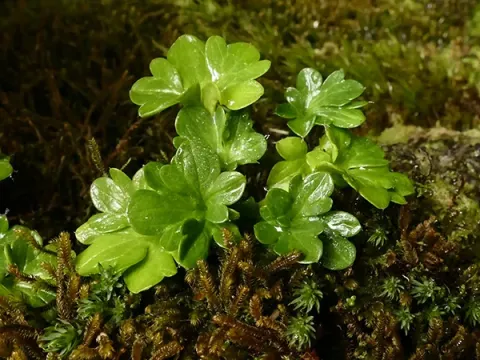
Green buttercup
Ranunculus viridis
Green buttercup (Ranunculus viridis) is a herbaceous perennial plant belonging to the Ranunculaceae family. It is typically found in meadow habitats, favoring areas with stable moisture levels throughout the growing season.
What the section contains
Green buttercup
The sowing process for this crop is best performed in early spring. Seeds require a cold stratification period to break dormancy, which is usually achieved by sowing them in late autumn or using chilled seeds in the spring.
A well-prepared seedbed is essential for successful germination. The soil should be finely crumbled to ensure good contact between the seeds and the substrate, which promotes consistent seedling emergence.
The recommended seeding rate is approximately 10–15 kg per hectare. Seeds should be buried at a shallow depth of 1–2 cm to allow sufficient access to light and prevent drying out during the critical germination phase.
Once established, the seedlings develop slowly. It is important to minimize competition from weeds in the early stages, as they can easily suppress the growth of young buttercup plants.
Ranunculus viridis thrives in damp, nutrient-rich soils. It is particularly well-suited for lowland meadows and areas near water bodies where moisture is readily available to the root system.
The ideal soil type is a silty loam or sandy loam with a neutral pH. The plant performs best in locations where the water table remains relatively high throughout the year.
This crop is moderately sun-loving but requires shelter from extreme midday heat. In open field cultivation, adequate soil moisture is the primary factor in sustaining vigorous vegetative growth.
Nutrient management involves applying balanced NPK fertilizers. Phosphorus and potassium are particularly important for root development and improving the plant's overall resilience to environmental stressors.
The plant is sensitive to prolonged droughts. If the soil moisture drops significantly, the plant may enter early dormancy, which negatively impacts the potential yield and forage quality.
The productivity of Green buttercup is closely linked to the environmental conditions and the frequency of harvesting. With optimal management, it provides a consistent supply of biomass.
Yields typically range between 80 to 120 decitonnes per hectare, depending on soil fertility and irrigation. In managed agricultural systems, the use of high-quality fertilizers can significantly boost these figures.
Nutritional value is highest during the peak flowering stage. Harvesting at this time ensures that the biomass contains the maximum concentration of essential minerals and organic compounds.
Integrating this plant into pasture mixes can improve the botanical diversity and overall robustness of the field, making it more resistant to common meadow pests and diseases.
Effective rotation of harvest intervals helps to maintain the vitality of the plant crown, allowing for faster regrowth and better long-term yields across multiple growing seasons.
Like many plants in the buttercup family, this crop can be affected by various fungal pathogens, such as powdery mildew and leaf spot diseases, especially in humid and poorly ventilated conditions.
Pests such as aphids and leaf miners can cause significant cosmetic and physiological damage. Monitoring the fields regularly is crucial for early detection and prompt intervention.
Integrated pest management (IPM) practices, including the use of biological controls and maintaining balanced soil nutrition, are the most effective ways to manage threats without excessive chemical usage.
In cases of severe infestation, targeted application of environmentally safe fungicides or insecticides may be necessary to protect the plant's photosynthetic capacity.
Maintaining proper field drainage is a preventative measure against root rot, which is a common problem in waterlogged conditions following heavy rainfall or poor soil management.
The harvest should be conducted during the peak flowering phase to ensure optimal nutrient content. Harvesting too late will result in higher fiber content and lower digestibility.
Mechanized mowing is performed using standard sickle-bar or disc mowers. It is important to set the cutting height to at least 5–7 cm to ensure the plants can regenerate quickly.
Once mown, the green mass should be spread thinly to dry. Rapid drying is essential to prevent mold and the fermentation of proteins, which could lead to spoilage of the crop.
Seed harvesting requires a more careful approach. The flowering heads are collected when they turn brown, ensuring that seeds are fully mature but before they naturally shed and scatter.
Proper storage is the final step in harvesting. The dried material must be kept in a cool, dry, and well-ventilated area to prevent heat buildup and maintain the quality of the product until it is used.