
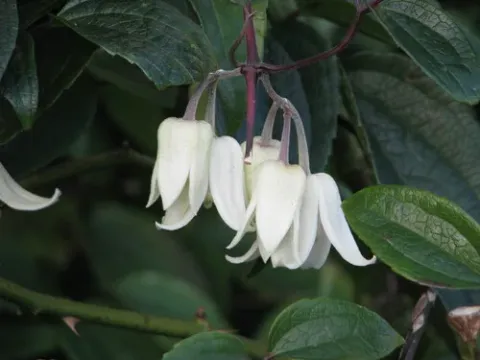
Clematis urophylla
Clematis urophylla
Clematis urophylla is a perennial woody climber belonging to the Ranunculaceae family. Native to the mountainous regions of China, this species thrives in cool, humid forest environments, providing a lush, vertical landscape element.
What the section contains
Clematis urophylla
The culture requires rich, well-draining soil with a neutral to slightly alkaline pH level. Ensuring proper soil structure is essential for root health, as stagnant water can rapidly lead to root rot in this species.
Regarding light, it prefers dappled shade or indirect light. Harsh, direct sunlight, especially in the afternoon, can cause leaf scorch and deplete the plant's moisture reserves. Placing it in an area with a shaded root base is highly recommended.
Watering must be consistent during the active growing season. The soil should be kept moist but not saturated. Mulching the base of the plant helps retain soil moisture and keeps the roots cool during peak summer temperatures.
Providing sturdy support is crucial for the plant's structural development. As a climber, it uses its leaf petioles to grip structures. Maintenance includes regular pruning to remove weak or dead growth and to encourage a denser branching pattern.
Wilt, a common fungal issue for Clematis species, is the most significant threat. It typically manifests as a sudden collapse of stems; immediate removal of affected parts and treatment with appropriate fungicides are necessary to stop the spread.
Aphids and spider mites are the most frequent pests. Aphids attack soft, young growth, while spider mites thrive in dry conditions. Regular monitoring of the foliage and timely use of insecticidal soaps can keep populations under control.
Slugs and snails pose a threat to young shoots during the spring. Implementing physical barriers or using organic slug pellets around the base of the plant can protect the tender growth from being eaten.
Powdery mildew may occur if air circulation is poor. Ensuring the plant is not overcrowded and has enough space for ventilation significantly reduces the likelihood of this fungal disease appearing on the leaves.
Disease prevention also relies on clean pruning practices. Always disinfect tools between cuts to avoid transmitting pathogens from one part of the plant to another or between different specimens in the garden.