
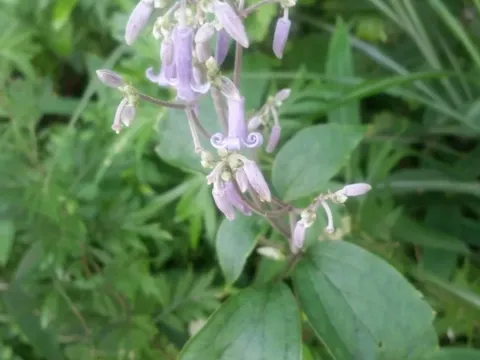
Clematis stans
Clematis stans
Propagation of Clematis stans is primarily conducted through seeds or division of mature clumps, ensuring the plants retain their specific herbaceous characteristics throughout their growth.
What the section contains
Clematis stans
Seeds should be sown in early autumn for natural stratification or in the spring following a controlled cold treatment period of approximately two to three months.
When starting seeds, it is crucial to use a well-draining soil mix rich in organic matter to encourage strong root development and high germination rates in a controlled environment.
For vegetative propagation, division should be performed in early spring as the buds begin to swell, taking care to minimize damage to the primary root system of the mother plant.
Proper spacing is essential when transplanting young plants into the field, as Clematis stans requires adequate airflow to minimize the risk of developing foliar diseases later in the season.
Clematis stans is a distinct member of the Ranunculaceae family, characterized by its upright, non-climbing stems that set it apart from typical vining clematis varieties.
This species thrives in locations with full to partial sun, provided the soil remains consistently moist yet well-drained to avoid the accumulation of standing water.
The plant prefers fertile, neutral to slightly alkaline soil types; soil amendments such as compost or well-rotted manure significantly enhance growth and flower production.
Regular irrigation is vital during the growing season, particularly during prolonged dry spells, to support the substantial vegetative mass and the subsequent floral display.
Being cold-hardy, Clematis stans can adapt to various temperate climates, though mulching the base in late autumn is recommended to protect the crown from extreme temperature fluctuations.
The primary concern for this crop involves fungal pathogens such as wilting disease, which can cause sudden collapse of the upright stems if the plant is under stress.
Common pests like aphids and spider mites are known to infest the dense foliage, requiring attentive monitoring and occasional treatment with appropriate horticultural oils or soaps.
To maintain plant health, it is essential to ensure adequate spacing and to avoid overhead watering, which creates the humid environment conducive to fungal spore germination.
Sanitation practices, including the removal of infected plant debris and careful pruning, play a critical role in preventing the recurrence of common botanical issues each year.
Effective management includes maintaining a balanced nutrition program, as overly succulent growth caused by excessive nitrogen can make the plant more susceptible to pest attacks.