
Clematis smilacifolia
Clematis smilacifolia
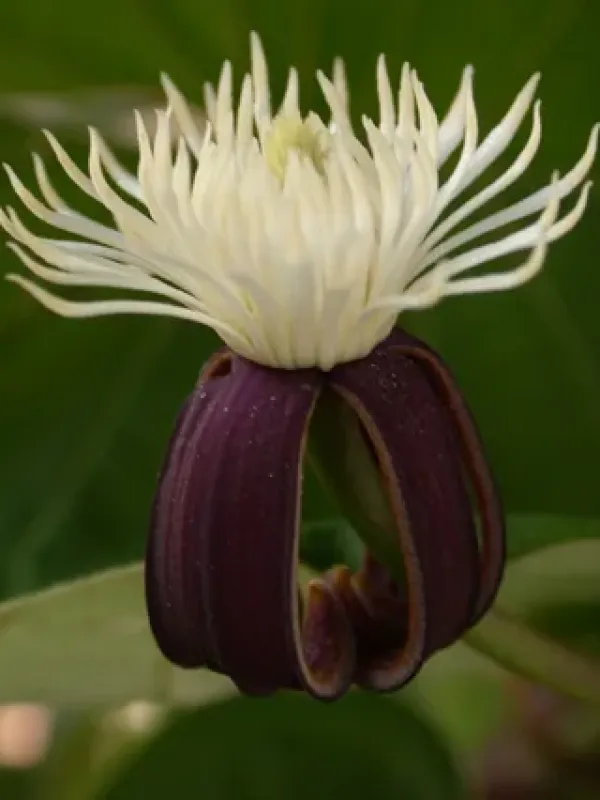
Description
Growing requirements
Clematis smilacifolia is a distinctive woody climbing plant belonging to the Ranunculaceae family. It is distinguished from other clematis species by its leathery, broad leaves, which exhibit a striking resemblance to the foliage of the genus Smilax, serving as the basis for its specific epithet.
Native to tropical and subtropical regions of Asia, including India and parts of Southeast Asia, this vine thrives in humid forest environments. It utilizes its petiole tendrils to scale host trees, seeking sunlight while remaining protected in the dense, moist understory.
The climate requirements for this species are strict, as it is not frost-hardy. Successful cultivation in temperate zones requires greenhouse conditions or indoor environments where temperatures remain stable throughout the year, avoiding cold drafts and freezing conditions.
For optimal development, the plant requires a rich, loamy, and well-drained substrate. It is essential to maintain consistent moisture levels without allowing the soil to become waterlogged, as this could facilitate root decay and undermine the plant's health.
Regarding light, Clematis smilacifolia prefers bright, indirect sunlight or partial shade. Exposure to intense, direct noon sun can damage the foliage, while complete darkness will hinder growth. Providing vertical support is necessary to mimic its natural climbing habits and facilitate proper airflow around the stems.
Main diseases and pests
Common health issues for this species include fungal infections such as wilt or various leaf spots, which often occur due to poor air circulation and excessive humidity during the cooler seasons. Managing the environment through ventilation is crucial to mitigate these risks.
Pests like spider mites and scale insects are frequently encountered in indoor settings. Regular monitoring of the undersides of the leathery leaves is recommended to detect these pests early, allowing for effective control using horticultural oils or systemic insecticides.