
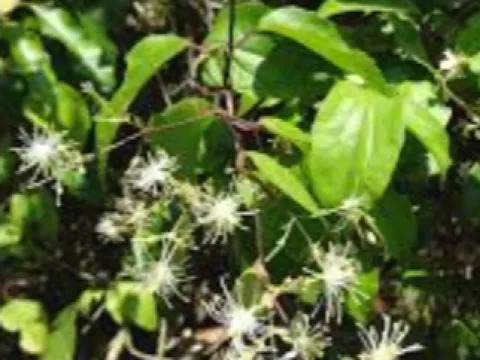
Clematis simensis
Clematis simensis
Clematis simensis is a vigorous woody climber belonging to the Ranunculaceae family. It is native to the mountainous regions of Eastern Africa, particularly Ethiopia, where it thrives in diverse ecological niches including forest margins and shrublands.
What the section contains
Clematis simensis
Botanically, the plant is characterized by its scandent habit, using modified petioles to attach itself to host vegetation. The leaves are pinnately compound, providing a significant surface area for photosynthesis, which supports the rapid vertical growth of the stems.
The culture requires fertile, well-draining soils with a neutral pH level. It performs best in partial shade, as exposure to intense, direct tropical sunlight can cause water stress and leaf scorching if the root system is not sufficiently protected by mulch or ground cover.
Regarding climate, this species prefers high-altitude tropical environments with moderate year-round temperatures. It is sensitive to prolonged drought and frost, making stable, temperate microclimates ideal for its development in human-managed agricultural settings.
The economic value of Clematis simensis is primarily tied to its ethnobotanical history. It has been utilized traditionally for its bioactive compounds, with research currently exploring its antimicrobial and wound-healing properties for potential pharmaceutical applications.
Fungal diseases are the primary threat to the health of Clematis simensis, with wilting (caused by pathogens like Fusarium or Phoma) being particularly common in damp, poorly aerated soil conditions. These pathogens disrupt the plant's vascular system, often leading to rapid wilting.
Insect pests, such as aphids and spider mites, frequently colonize the tender young growth. These pests extract essential sap, weakening the vine and potentially transmitting viral diseases that can cause stunted development and leaf chlorosis.
Root-knot nematodes pose a significant subterranean risk, forming galls on the root system. This infestation restricts the plant's ability to absorb water and nutrients, leading to a general decline in vigor that is often difficult to reverse.
Integrated pest management is crucial for this crop, emphasizing the use of healthy, disease-free planting material. Proper spacing is essential to ensure adequate airflow, which is the most effective natural defense against fungal leaf pathogens.
Regular monitoring for early signs of infestation is recommended. Applying biological controls or targeted horticultural oils can suppress pest populations without compromising the medicinal quality of the plant tissues intended for further extraction.