
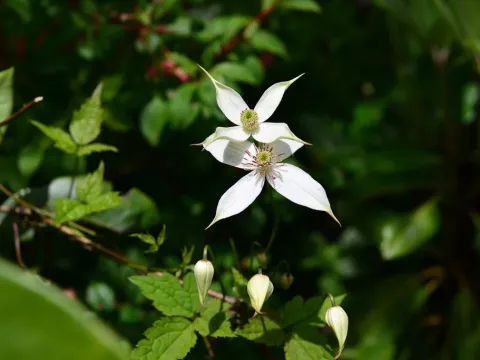
Clematis tongluensis
Clematis tongluensis
Clematis tongluensis is a distinct species within the Ranunculaceae family, characterized by its specialized mountain habitat and climbing habit. This species serves as a valuable specimen for enthusiasts interested in rare botanical treasures.
What the section contains
Clematis tongluensis
To ensure optimal growth, the species requires well-drained, nutrient-rich soil with a neutral to slightly alkaline reaction. High levels of organic matter in the substrate promote vigorous development of the root system and foliage.
Environmental requirements include a location with dappled light or partial shade. Exposure to intense afternoon sun can scorch the delicate leaves, so providing shelter from direct midday rays is a crucial cultivation practice.
Hydration management is vital for this plant. Consistent moisture is necessary, but the soil must never remain waterlogged, as poor drainage is a primary cause of root rot in many species of the genus Clematis.
Temperature tolerance should be monitored. The species performs best in temperate climates with cool summers. In colder regions, providing a protective layer of mulch around the base of the plant is recommended to insulate the roots from extreme freezing.
The most significant threat to Clematis tongluensis is fungal wilting, commonly referred to as clematis wilt. This condition can cause sudden collapse of stems, often initiated by vascular pathogens that thrive in humid, poorly ventilated conditions.
Pests such as aphids and spider mites can frequently infest the growing tips during dry periods. Effective management involves consistent monitoring and the application of horticultural soaps or specific acaricides when infestations reach an economic threshold.
Root-knot nematodes pose a hidden danger, as they compromise the plant's ability to absorb nutrients, leading to stunted growth. Soil sanitation and the use of healthy, disease-free nursery stock are essential for prevention.
Powdery mildew is another common concern, especially during seasons with high humidity and fluctuating night temperatures. Improving airflow through structural pruning is the most effective cultural method to combat this disease.
Maintaining a rigorous hygiene program, including the removal of dead or infected debris, is necessary for long-term health. Sterilizing pruning tools between plants prevents the accidental spread of viruses and fungal spores.