
Clematis uncinata
Clematis uncinata
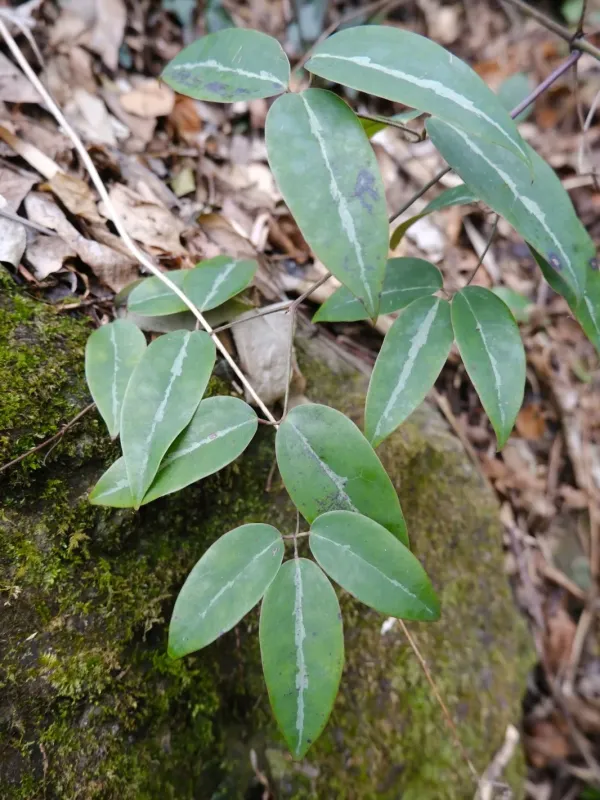
Description
Sowing dates
The propagation of Clematis uncinata is typically performed via seeds, which require a period of cold stratification to break dormancy. Sowing in late autumn allows the seeds to undergo this natural process in the soil throughout the winter months, improving germination rates in early spring.
When sowing indoors, seeds should be placed in a well-draining sterile medium and kept at a temperature of approximately 2 to 5 degrees Celsius for at least three months. Once moved to a warmer environment, seedlings usually appear within several weeks depending on moisture levels.
Vegetative propagation via softwood cuttings is a preferred method for maintaining the specific characteristics of individual cultivars. Cuttings are taken in early summer and placed in a high-humidity environment with bottom heat to encourage rapid root development.
The substrate used for cutting propagation must be porous to allow for good oxygen exchange, as excessive moisture leads to the rotting of tender tissue. The use of rooting hormones can significantly increase the success rate of this process.
Once seedlings or cuttings have established a strong root system, they are transplanted into individual containers before being moved to their final outdoor site. This stage requires careful handling to avoid damaging the brittle root structure.
Growing requirements
Clematis uncinata is a member of the Ranunculaceae family and grows as a robust, woody vine native to various regions in China. It thrives best in positions where it receives full sun on its foliage while the base of the plant remains shaded and cool.
The soil should be nutrient-rich, well-draining, and ideally maintained at a neutral to slightly alkaline pH. The plant does not tolerate heavy or waterlogged soil, as this frequently causes root diseases and stunted growth during the active season.
As a climbing vine, this species requires sturdy vertical support, such as a trellis, wire mesh, or pergola, to display its full ornamental value. The plant uses its sensitive leaf stalks to grab onto supports as it grows vertically.
Watering is a critical component of care, particularly during the hot summer months. The soil should be kept consistently moist but not saturated, as the plant responds poorly to drastic fluctuations in water availability.
Annual maintenance involves light pruning to manage the density of the vine and encourage new shoots. Pruning is best performed after the flowering season, ensuring the removal of dead or crossing branches to improve airflow.
Main diseases and pests
Fungal diseases, specifically those causing wilt, remain the most significant challenge for Clematis uncinata. These pathogens typically attack the vascular system of the plant, leading to sudden wilting of the stems during the peak of the growing season.
To mitigate the risk of fungal infection, gardeners must ensure proper spacing between plants to maximize air circulation. Avoiding overhead watering is also recommended to keep the foliage dry and reduce the likelihood of spore germination.
Pests such as aphids and spider mites frequently colonize the undersides of the leaves, causing disfiguration and yellowing. Frequent inspections during the spring and early summer allow for early detection and manual removal or the application of insecticidal soaps.
Root-knot nematodes can also affect plant vitality, leading to poor growth and increased susceptibility to other stressors. Selecting healthy planting sites and maintaining good soil health are the primary preventive measures against these soil-borne pests.
In cases of severe infestation or infection, it is crucial to prune away and destroy the damaged parts of the plant to prevent the spread of pathogens or pests to the rest of the garden.