
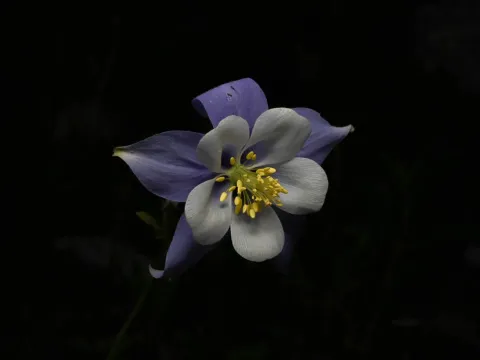
Colorado blue columbine
Aquilegia caerulea
Seeds of the Colorado blue columbine (Aquilegia caerulea) are best sown in the autumn in open soil to allow for natural cold stratification. This mimics their native alpine environment and results in a more uniform germination rate.
What the section contains
Colorado blue columbine
If starting indoors, sow seeds on the surface of a fine, moist potting mix. Keep the container in a bright area, as these seeds require light to germinate effectively and should not be buried deeply.
Temperature control is crucial, with 18-20 degrees Celsius being ideal for germination. Maintain moisture by covering the container with plastic wrap to create a greenhouse effect until sprouts appear.
Once seedlings have two sets of true leaves, transplant them into larger individual pots to prevent root crowding. Use a well-draining soil mix to ensure the fragile root systems stay healthy and oxygenated.
Acclimatize plants to the outdoors before final planting. Set them out in the garden after the last frost date, placing them in groups for a better visual impact and consistent growth habit.
As a member of the Ranunculaceae family, the Colorado blue columbine thrives in cooler, semi-shaded environments. Its natural habitat includes mountainous regions where it enjoys fresh air and moderate light.
Choose a planting site with light, fertile, and well-draining soil. This plant is sensitive to waterlogged conditions, which can lead to crown rot and premature death, especially in heavy clay soils.
While the plant is hardy and drought-tolerant once established, it requires consistent watering during the peak growing season to ensure vigorous flowering. Use a thin layer of organic mulch to keep the roots cool.
The plant performs best in a neutral or slightly acidic soil pH. Avoid heavy nitrogen fertilizers, which encourage excessive foliage production at the expense of its iconic blue and white flowers.
Regular maintenance involves removing spent flowers to encourage a second flush of blooms later in the season. During autumn, cut back old foliage to the base to prepare the plant for dormancy.
Powdery mildew is a common fungal issue that affects foliage during periods of high humidity and poor circulation. Symptoms appear as dusty white spots that can eventually weaken the plant significantly.
Leaf miners are troublesome pests that create serpentine tracks inside the leaf tissues. They are rarely fatal but drastically reduce the aesthetic appeal of the plant during the growing period.
Aphids can frequently colonize the tender flower buds, stunting growth and spreading viruses. Monitor the undersides of leaves closely and apply mild insecticidal soaps if an infestation occurs.
Good garden hygiene, such as clearing away debris and thinning out dense patches, is the best preventative strategy against disease. This allows for better airflow and reduces moisture buildup.
If chemical interventions are necessary, always select products labeled for ornamental plants and apply them during the early evening to prevent harm to beneficial pollinators like bees.