
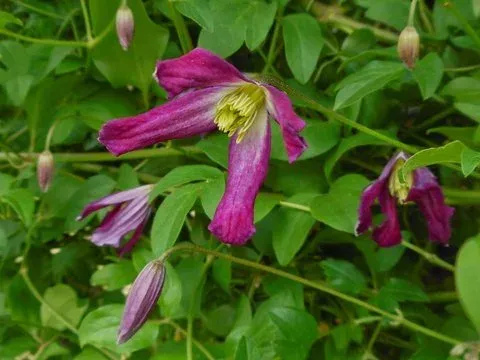
Clematis triternata
Clematis triternata
Clematis triternata is a vigorous climbing vine belonging to the Ranunculaceae family. It is recognized for its dense foliage and unique, small, starry flowers that appear in abundance, making it a popular choice for vertical gardening and ornamental landscapes.
What the section contains
Clematis triternata
The plant originates from Mediterranean regions, favoring sunny locations with well-drained soil. It thrives in positions where the upper stems receive plenty of sunlight, while the roots remain cool and shaded, often achieved by mulching or planting low-growing companions nearby.
Cultivation requires fertile, loamy soil with an alkaline to neutral pH balance. Drainage is of paramount importance; the plant does not tolerate waterlogging, which can lead to root decay and susceptibility to opportunistic soil-borne pathogens.
Watering practices should be consistent, ensuring the substrate remains moist but not saturated. During the peak summer heat, increasing the watering frequency is essential to prevent physiological stress that can make the plant vulnerable to pests and diseases.
Maintenance includes light pruning to manage the plant's spread and promote better blooming cycles. Applying a balanced fertilizer in the early spring provides the necessary nutrients for robust growth throughout the vegetative season.
The most devastating issue for this species is clematis wilt, a fungal infection that can cause rapid decline and collapse of the stems. Proper hygiene, such as removing infected material and burning it, is critical to preventing the spread of the fungus.
Powdery mildew often appears during periods of high humidity and poor air circulation. Improving ventilation around the vines and applying preventative fungicides helps maintain leaf health and prevents the unsightly white coating on the foliage.
Aphids and spider mites are frequent visitors that can weaken the plant by feeding on its sap. Early detection through regular inspections allows for effective management using biological controls or mild soap solutions before an infestation becomes severe.
Root-knot nematodes are problematic pests that cause nodules on the roots, interfering with water and nutrient uptake. Using clean, pathogen-free soil during the initial planting process is the best defense against these microscopic threats.
Overall, maintaining a healthy, well-nourished plant is the primary strategy for pest and disease resistance. Regular monitoring and proactive environmental management ensure the longevity and decorative value of the Clematis triternata in any garden setting.