
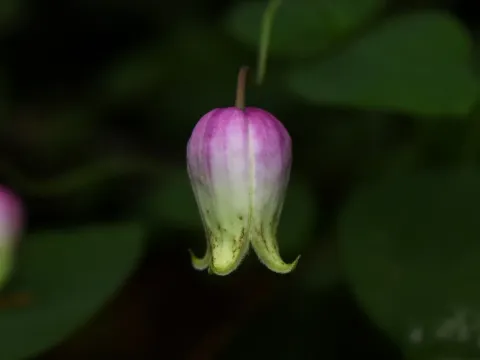
Clematis versicolor
Clematis versicolor
Sowing Clematis versicolor seeds is best performed in the autumn to ensure they undergo natural stratification during the winter. This process mimics the plant's native habitat conditions.
What the section contains
Clematis versicolor
If sowing in the spring, seeds must be kept in a cold environment (refrigerator) for at least two to three months to break dormancy. Without this step, germination rates remain extremely low.
Use a well-draining, sterile potting mix when starting seeds indoors. Keep the substrate consistently moist but not saturated, as the embryos are highly susceptible to rot.
Transplanting young seedlings into the garden should occur once the danger of frost has passed in late spring. Handle the root ball carefully to prevent transplant shock.
Provide young plants with dappled shade during their first summer to allow them to establish a strong root system before facing the full intensity of the sun.
Belonging to the Ranunculaceae family, Clematis versicolor is a perennial vine known for its distinctive flowers. It is native to North American woodlands and prairie edges.
The plant thrives in sites with morning sun and afternoon shade. Keeping the root zone cool with organic mulch is essential for the health of the plant throughout the growing season.
Well-drained, fertile soil with a neutral to slightly alkaline pH is ideal. Avoid heavy, waterlogged clay soils, as they can cause severe issues with root aeration.
Sturdy trellising is required for the plant to climb. Unlike some other vines, Clematis uses its leaf petioles to wrap around supports, making thin lattices or wire structures perfect.
Regular fertilization with a balanced, slow-release fertilizer during the active growth phase encourages vigorous foliage development and abundant blooming.
Clematis wilt is a significant fungal disease that can lead to sudden collapse of the stems. Proper sanitation and preventing mechanical damage to the base of the plant are vital.
Powdery mildew can affect the leaves during periods of high humidity and poor air movement. Thinning out the vine canopy helps improve airflow and reduces infection risk.
Aphids and spider mites are the most common pests. They feed on the sap of young stems, which can stunt the growth and cause leaf distortion if left untreated.
Root-knot nematodes can also be a problem in sandy soils. Planting in raised beds with fresh, high-quality soil can act as an effective preventative measure against soil-borne pests.
Regular monitoring of the lower leaf surfaces is recommended, as this is where pests typically cluster before spreading to the rest of the plant.