
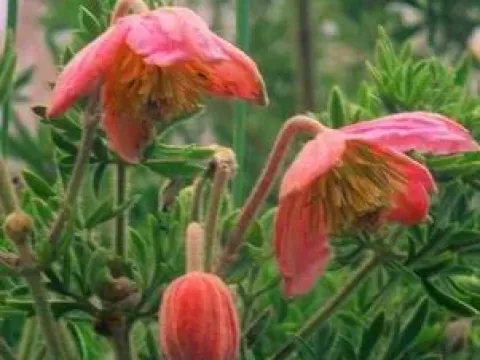
Clematopsis
Clematopsis
Clematopsis is a genus of perennial plants within the Ranunculaceae (Buttercup) family. These plants are primarily native to Madagascar and various parts of mainland Africa, where they inhabit open woodlands and grassland ecosystems.
What the section contains

Clematopsis
Botanically, these plants are often characterized by their erect, woody-based stems and compound, pinnate leaves. Unlike their famous relatives, the Clematis climbers, many Clematopsis species maintain a bush-like habit, making them distinct in their structural presentation.
Successful cultivation requires well-drained, nutrient-rich soil. It is crucial to prevent waterlogging, as the root systems are susceptible to decay in heavy, saturated conditions. Adding organic matter to the soil helps maintain an optimal balance of moisture and aeration.
The plant thrives in full sun, which is essential for producing vibrant flowers and maintaining strong stems. While they can tolerate partial shade, insufficient light often results in "leggy" growth and reduced floral production.
In landscaping, Clematopsis is highly valued as an ornamental specimen. They are frequently used in perennial borders, wildflower meadows, and xeriscaping projects. Their unique seed heads, which are often feathery and decorative, provide interest long after the flowering season concludes.
The primary threats to Clematopsis health are fungal pathogens, specifically those causing root and crown rot. These infections are almost exclusively triggered by poor soil drainage and excessive soil moisture during the dormant season.
Pest issues often involve spider mites and aphids, particularly in warm, dry weather. These pests colonize the undersides of leaves, extracting nutrients and causing leaves to yellow, curl, or drop prematurely if left unchecked.
Effective management includes maintaining good air circulation through proper spacing of individual plants. Avoiding overhead watering is a recommended practice to keep the foliage dry and reduce the risk of powdery mildew and other foliar infections.
For chemical control, use professional-grade insecticides or miticides during the early stages of infestation. Integrated pest management, which includes encouraging beneficial predators like ladybugs, can also be highly effective in maintaining a healthy garden environment.
Regular monitoring of the garden is the best line of defense. Early identification of discolored foliage or stunted growth allows for prompt intervention, significantly increasing the survival rate and aesthetic longevity of the plants.