
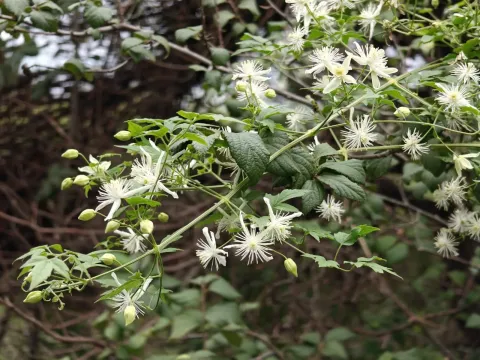
Clematis puberula
Clematis puberula
Clematis puberula is a climbing species belonging to the Ranunculaceae family. It is primarily valued in ornamental horticulture for its elegant foliage and distinct growth patterns suitable for vertical gardening.
What the section contains
Clematis puberula
Propagation is typically carried out via seeds which require stratification to break dormancy. Sowing takes place in late winter inside controlled environments to ensure high germination rates for young seedlings.
The potting medium must be well-drained and slightly acidic to neutral in pH. Seeds should be covered lightly with substrate, ensuring that moisture is kept consistent throughout the germination phase.
Once seedlings develop their first true leaves, they are transferred to individual pots. This step is crucial for developing a robust root system before transplanting the plants to their final location.
Transplanting to an open field is recommended only when the risk of spring frost has completely passed. The plant benefits from initial shading to adjust to outdoor conditions after being kept in a greenhouse.
Clematis puberula thrives in locations that provide full sun to partial shade. The upper part of the vine prefers direct sunlight for blooming, while the root zone should remain cool and shaded.
The ideal soil type for this culture is a fertile, moisture-retentive, but well-drained loam. Avoid planting in compacted clays, which can lead to root rot due to excessive water retention.
Watering requirements are consistent throughout the growing season. The soil should be kept moist but never saturated, as the roots are sensitive to anaerobic conditions caused by stagnant water.
Providing vertical support structures is essential for the healthy development of this species. Sturdy trellises or wires allow the vine to climb effectively, promoting better air circulation and sunlight exposure.
Fertilization should be balanced, focusing on nitrogen in early spring to support vegetative growth and shifting to potassium and phosphorus before the flowering phase to enhance bud formation.
The primary concern for Clematis species is the fungal pathogen responsible for Clematis wilt. Prevention involves maintaining good hygiene and avoiding damage to the stems near the soil line.
Powdery mildew represents a common threat, especially in humid conditions with poor air ventilation. Treatments include applying appropriate fungicides and removing infected leaves to contain the spread.
Insect pests such as aphids and spider mites can infest the foliage, particularly during dry summer spells. Regular monitoring and the application of insecticidal soaps help keep these populations under control.
Root nematodes can cause significant stunted growth. Using sterile soil mixes for initial cultivation and selecting healthy sites is the best method to avoid long-term infestation problems.
Proper pruning is not only a decorative practice but a health measure. Removing dead or diseased tissue helps prevent the buildup of pathogens, ensuring the longevity and vigor of the vine.