
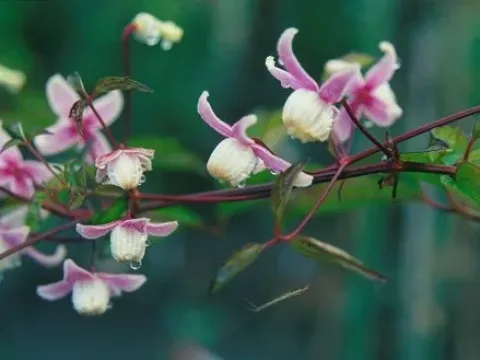
Clematis ranunculoides
Clematis ranunculoides
The seeds of Clematis ranunculoides should be sown in autumn to allow for natural cold stratification during the winter. Sowing in prepared, well-draining soil at a depth of 1-2 cm ensures the seeds remain protected while breaking dormancy.
What the section contains
Clematis ranunculoides
Spring sowing is possible if seeds are pre-chilled in a refrigerator for at least two to three months. This artificial simulation of winter conditions is critical to ensure a high germination rate for this specific species.
When moving seedlings to their permanent outdoor location, it is essential to wait until all risk of frost has passed. Planting them in a sheltered spot protects the tender young stems from mechanical damage caused by strong winds.
Spacing should be adequate, with 60-80 cm between plants, to allow for proper airflow and root development. Deep planting is recommended to encourage the growth of multiple stems from the root crown.
After planting, the root zone should be heavily mulched with organic materials. This technique mimics the natural forest floor conditions the plant prefers and maintains a stable moisture level throughout the summer.
Clematis ranunculoides is an herbaceous perennial vine belonging to the Ranunculaceae family. Native to the mountainous regions of China, this species is well-adapted to cooler temperate climates and thrives in dappled sunlight.
The plant requires rich, loamy, and well-drained soil to flourish. It is highly intolerant of waterlogged soil conditions, which can lead to rapid root decay; therefore, a good drainage layer at the planting site is essential.
Regarding climatic needs, this clematis prefers regions with moderate rainfall and humidity. During peak summer, supplemental irrigation is necessary to prevent the plant from experiencing drought stress, which can shorten the blooming window.
Regular fertilization is key to maintaining vigorous growth. A balanced NPK fertilizer should be applied in early spring as new shoots emerge, followed by a low-nitrogen, high-phosphorus mix prior to the flowering stage.
Trellising is a necessity for this vine, as it naturally seeks vertical growth. By providing sturdy supports, you allow the plant to achieve its full ornamental potential while improving light penetration across the foliage.
Clematis wilt, caused by soil-borne fungi, remains the primary threat to the longevity of the plant. If sudden wilting of stems is observed, all infected parts should be pruned back to healthy tissue and disposed of away from the garden.
Powdery mildew is a common occurrence during late summer, especially in areas with poor ventilation. Regularly thinning the foliage and avoiding overhead irrigation can significantly reduce the incidence of this fungal disease.
Pests such as aphids and spider mites can colonize the growing tips and undersides of leaves. These pests are best managed through early detection and the use of insecticidal soaps or biological controls.
Root-knot nematodes can also pose a serious risk in infested soil. Using clean, sterilized growing medium and avoiding overcrowding are the best preventative measures against these microscopic parasites.
- Maintain proper spacing for ventilation
- Monitor foliage weekly for early signs of disease
- Apply fungicide treatments early in the season
- Ensure clear drainage systems