
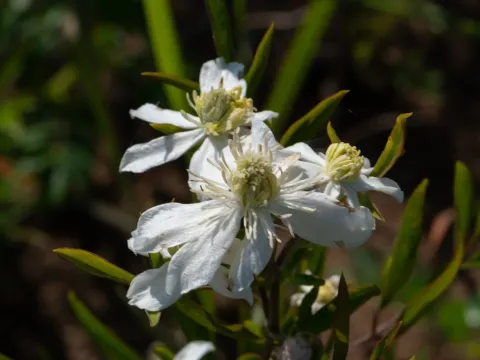
Clematis hexapetala
Clematis hexapetala
The sowing of Clematis hexapetala seeds is generally performed in the autumn for natural stratification or in the spring after artificial chilling. Seeds should be placed at a depth of 1–2 centimeters in a well-draining soil mix.
What the section contains
Clematis hexapetala
For spring sowing, seeds require stratification at temperatures between +2°C and +5°C for at least two months. This procedure is crucial for achieving high germination rates and uniform seedling development.
Once seedlings emerge, they require consistent moisture and filtered sunlight during the first few weeks of growth. Protecting young plants from extreme heat and direct afternoon sun is recommended.
Transplanting to the final location should be done carefully to avoid damaging the delicate root system. Spacing should be sufficient to ensure adequate airflow, reducing the risk of fungal diseases.
Vegetative propagation via cuttings can also be used for multiplication. This method ensures that the offspring retain the exact phenotypic characteristics of the parent plant.
Clematis hexapetala belongs to the Ranunculaceae family and thrives in open, sunny locations with fertile, loamy soil. It is well-suited for regions with a temperate climate and distinct seasonal changes.
The plant demands neutral to slightly alkaline soil conditions. It does not tolerate waterlogging, so ensuring good drainage is a primary requirement for successful cultivation in any climate.
Watering schedules should be regular, with increased volume during the peak growth season. However, the soil surface should be allowed to dry slightly between irrigation events to prevent root decay.
Nutrient management involves applying balanced fertilizers during the spring and early summer. Organic mulch is beneficial as it maintains root coolness and suppresses competing weeds.
The hardiness of this species makes it a reliable perennial in various landscaping and agricultural applications. It is resilient to moderate temperature fluctuations throughout the vegetative cycle.
Fungal pathogens such as powdery mildew and leaf spot are the most common threats to Clematis hexapetala. High humidity and poor air circulation are the primary contributors to these outbreaks.
Pests including aphids, mites, and nematodes can affect the plant's health. Early detection through regular crop scouting is essential for effective management and preventing economic losses.
Integrated pest management strategies should be prioritized, focusing on cultural practices before resorting to chemical applications. Removing affected leaves and stems helps contain the spread.
Chemical control should only be implemented when pest pressure exceeds economic thresholds. It is vital to use targeted products that preserve beneficial predatory insects in the ecosystem.
By ensuring optimal environmental conditions, such as correct plant density and soil hygiene, the vulnerability of the crop to common diseases can be significantly reduced.