
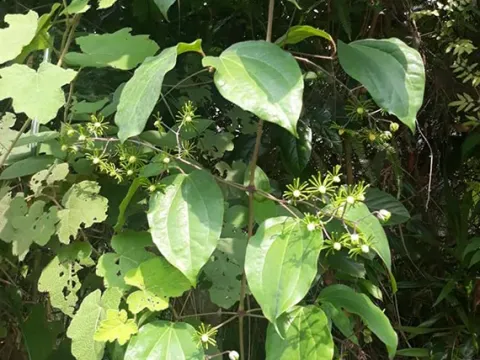
Clematis horripilata
Clematis horripilata
Sowing seeds of Clematis horripilata is best performed in late autumn to allow the seeds to undergo necessary natural stratification during winter.
What the section contains
Clematis horripilata
When starting indoors, seeds are planted in trays with a light, well-draining seed-starting mix and kept at a temperature of around 20 degrees Celsius.
The seeds should be covered with a very thin layer of substrate, as they require a stable, slightly humid environment to germinate effectively.
Seedlings should be transplanted into larger individual pots once they have developed at least two sets of true leaves for proper development.
Transplanting into the permanent garden location must occur after the last frost of the season has passed to avoid chilling injuries to young plants.
This species thrives in locations with full sun exposure, although it is essential to keep the root zone shaded and cool throughout the day.
The soil must be fertile, rich in organic matter, and possess excellent drainage properties to prevent root rot in wetter climates.
Consistent irrigation is critical, especially during the active growth phase, ensuring that the soil remains moist but not waterlogged.
Providing sturdy vertical support, such as trellises or wires, is necessary for the plant to climb and display its floral beauty properly.
Regular fertilization with a balanced NPK fertilizer supports vegetative vigor and promotes a more robust and prolonged flowering period.
Clematis wilt is the most significant pathological threat, causing sudden collapse of stems due to fungal interference in the vascular tissues.
Powdery mildew often appears on foliage during periods of high humidity and poor air circulation, necessitating prompt antifungal treatment.
Aphids and spider mites are common pests that can quickly colonize the plant, causing leaf curling and reduced vigor if left untreated.
Root-knot nematodes can severely damage the root system, leading to stunted growth and requiring specialized soil treatment measures.
Effective management involves maintaining high sanitation standards, removing infected parts immediately, and applying preventive pesticides when necessary.