
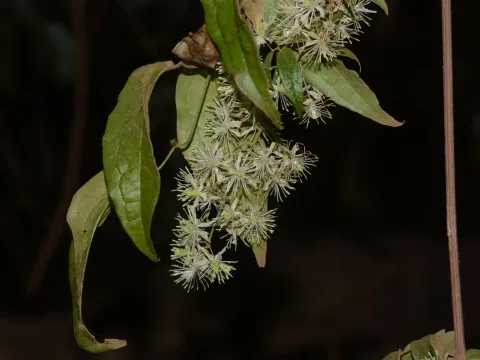
Clematis gouriana
Clematis gouriana
Clematis gouriana is a vigorous, woody climbing plant belonging to the Ranunculaceae family. It is known for its extensive growth habit, making it an excellent candidate for vertical gardening and large-scale landscape coverage.
What the section contains
Clematis gouriana
The species originates from the mountainous regions of Asia, including the Himalayas and parts of China. It is well-adapted to varied altitudes, generally preferring positions that offer ample sunlight for optimal blooming performance.
Regarding soil conditions, this plant thrives in well-drained, fertile loamy soils. It requires a neutral to slightly alkaline pH and does not tolerate waterlogged ground, which can lead to rapid root decay.
Climate requirements for this vine include a moderate temperature range. While it is quite robust, it benefits from protection against harsh, desiccating winds that can damage the developing foliage and flower buds.
The agricultural and landscape use of Clematis gouriana is centered on its ornamental value. Its small, numerous flowers create a distinct cascading effect, making it suitable for training over pergolas, fences, and trellises.
The most significant pathological threat to Clematis gouriana is vascular wilt, caused by soil-borne fungi. This condition often results in the sudden wilting and death of individual branches or the entire vine.
Powdery mildew is another frequent issue, particularly in humid climates or during periods of poor airflow within the foliage canopy, manifesting as a white, dusty coating on the leaves.
Insect pests such as aphids and spider mites can infest the soft, succulent growth tips, extracting cell sap and stunting the plant's overall vigor if left unmanaged.
Effective management strategies include maintaining strict hygiene in the planting site, which involves the removal of dead plant material and keeping the base of the plant free of debris.
Chemical control measures should be applied only when necessary, focusing on systemic insecticides for sap-sucking pests and fungicides during the early stages of fungal spore germination.