
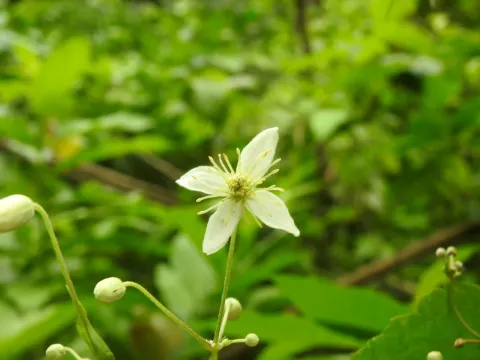
Clematis hirsuta
Clematis hirsuta
Clematis hirsuta is a member of the Ranunculaceae family, characterized by its climbing habit and distinct hairy stems. As a perennial vine, it utilizes its petioles to grasp supports, making it an excellent candidate for vertical gardening in suitable climates.
What the section contains
Clematis hirsuta
The plant is native to the tropical and subtropical regions of Africa, where it thrives in diverse habitats including forest edges and shrublands. This geographical origin dictates its preference for warm, stable climates without extreme frost.
In terms of cultivation, Clematis hirsuta requires well-drained, fertile soil that balances moisture retention with efficient drainage. Heavy, waterlogged soils are detrimental to the root system, often leading to rapid decline and susceptibility to pathogens.
Optimal growth conditions involve exposure to full sunlight or light shade. Sunlight is critical for the development of healthy foliage and the induction of flowering, while protection from harsh, drying winds helps preserve the structural integrity of the vines.
The agricultural and ornamental use of this plant is significant in its native range. Beyond its aesthetic appeal as a climber, various parts of the plant have been historically utilized in traditional practices, and it remains a subject of botanical interest for garden enthusiasts.
Powdery mildew represents a primary fungal threat to Clematis hirsuta, particularly in environments with high humidity and poor air circulation, which facilitate spore dispersal on the leaves.
Root rot, often caused by overwatering or poor soil structure, remains a critical threat that can prove fatal to the plant. It disrupts the uptake of essential nutrients, leading to visible wilting.
Aphids are the most common insect pests, feeding on the succulent terminal shoots. Their feeding activity can cause deformation of new growth and decrease the overall vigor of the climbing vine.
Spider mites can also become problematic during dry, warm conditions, manifesting as fine webbing and stippling on the leaves, which eventually leads to chlorosis and leaf drop.
Integrated pest management, including regular inspection and the use of appropriate biological controls, is essential to mitigate these threats and ensure the longevity and health of the Clematis hirsuta plants.