
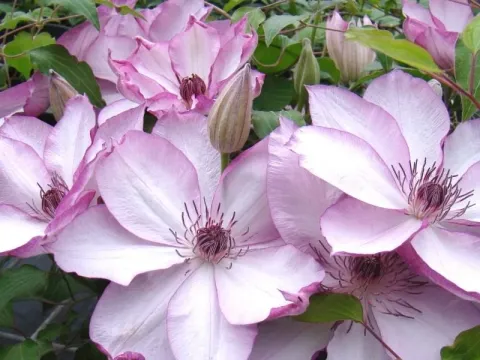
Clematis hybrids
Clematis hybrids
Clematis hybrids represent a group of deciduous climbing vines belonging to the Ranunculaceae family. These plants are prized by gardeners for their wide range of flower shapes, sizes, and colors, achieved through extensive hybridization of various wild species.
What the section contains
Clematis hybrids
These plants are widely cultivated across temperate regions globally. While they thrive in many climates, success depends on understanding the specific pruning group and hardiness zone requirements of each individual hybrid variety.
Clematis require a sunny position to produce the best blooms, yet they demand cool, shaded roots. This is often achieved by planting low-growing perennials around the base or applying a thick layer of organic mulch to keep the soil temperature stable.
Agronomic management focuses on nutrient-rich, well-draining soil with a near-neutral pH. Proper support structures, such as trellises or wires, are essential as the vines utilize leaf petioles to climb and spread effectively over vertical surfaces.
The primary use of this crop is ornamental. They are extensively used in landscaping to cover walls, fences, and garden structures, providing a significant aesthetic value and enhancing the structural diversity of garden designs.
The most significant threat to the crop is Clematis wilt, caused by soil-borne fungi. This condition blocks the plant's vascular system, causing rapid wilting of stems, which necessitates prompt removal and destruction of infected material.
Powdery mildew is a common foliar issue, particularly in late summer with high humidity levels. Improving air circulation around the plants and using approved fungicides can effectively manage the spread of the fungus.
Aphids and spider mites are prevalent pests that target the soft tissue of new shoots and leaves. Regular inspections and the application of insecticidal soaps or systemic treatments are effective strategies for maintaining plant health.
Root-knot nematodes can severely impact the root system, causing stunted growth and poor flowering. Preventive measures include ensuring soil health and avoiding over-watering, which can also contribute to root rot issues.
Slugs and snails frequently graze on emerging shoots in early spring. Protecting young growth with physical barriers or organic baits is essential to ensure the plant develops enough vigor to withstand moderate pest pressure.