
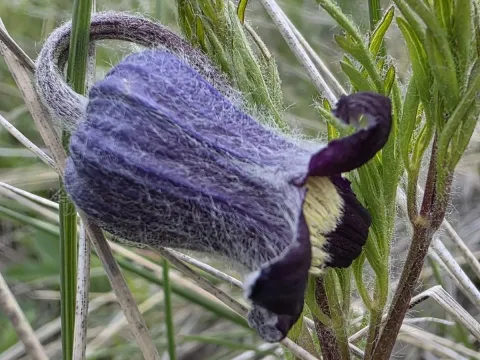
Clematis hirsutissima
Clematis hirsutissima
The propagation of Clematis hirsutissima is primarily achieved through seeds, which require a period of cold stratification to break dormancy. For best results, sow seeds in late autumn to allow natural winter cold to condition the embryo, ensuring a high germination rate in the following spring.
What the section contains
Clematis hirsutissima
When sowing in a controlled environment, maintain seeds in moist, sterile growing media at cold temperatures (around 4 degrees Celsius) for at least three months. After stratification, move the containers to a warmer area with indirect light to stimulate the emergence of seedlings.
Seedlings are relatively slow-growing during their first year as they primarily invest energy into developing a robust root system. It is critical to provide consistent but not excessive moisture to avoid dampening off, a common risk for young clematis plants.
Once seedlings have developed at least two sets of true leaves, they should be transplanted into individual pots. Use a well-draining potting mix to support root health and prevent the stunting of growth that occurs in compacted or waterlogged containers.
Transfer to the final garden location should only happen once the plant is well-established, usually by late spring of the second year. Ensure the transplant site has been prepared with appropriate soil amendments to facilitate long-term growth and stability.
Clematis hirsutissima, a member of the Ranunculaceae family, is a herbaceous perennial adapted to prairie and open woodland habitats. It thrives in full sun but benefits from light afternoon shade in hotter climates, which helps preserve soil moisture and leaf vigor.
The species demands well-draining, slightly alkaline to neutral soil. In regions with heavy clay soils, incorporating coarse sand or fine gravel is necessary to improve aeration and prevent the root rot that this species is highly susceptible to if left in standing water.
This plant is remarkably drought-tolerant once established, owing to its native adaptation to dry grassland environments. Supplemental watering is only required during extreme heat waves or prolonged dry spells, ensuring the water is applied directly to the soil, not the foliage.
Fertilization should be handled with care; excessive nitrogen encourages weak, succulent growth that is prone to pests. A balanced, slow-release fertilizer applied in early spring is generally sufficient to support the plant's metabolic needs through the growing season.
Cold hardiness is one of the distinct advantages of this species, as it is native to regions with significant seasonal temperature fluctuations. A layer of organic mulch can be applied to the base of the plant in late autumn to protect the crown from extreme frost heave.
Fungal diseases are the primary threat to the health of Clematis hirsutissima, particularly when environmental conditions remain damp and poorly ventilated. The most severe concern is Clematis wilt, which can cause sudden collapse of the stems due to fungal clogging of the plant's vascular tissue.
Preventive measures include maintaining good spacing between plants to encourage airflow and avoid foliage wetness. In cases of localized infection, immediate pruning of affected stems down to the ground level and sterilization of pruning tools are essential to prevent further spread.
Pests such as aphids, spider mites, and leaf miners can cause significant stress, particularly in weakened plants. Regular inspection of the foliage, particularly the undersides of leaves, allows for early intervention with mild soaps or horticultural oils before infestations become critical.
Slugs and snails can severely damage young, tender growth during early spring. Applying physical barriers or using non-toxic slug pellets around the base of the plant can significantly mitigate this risk, ensuring the healthy development of the shoots.
- Prune and destroy all diseased tissue to prevent spore dispersal.
- Avoid overhead irrigation to keep foliage dry and resistant to mildew.
- Monitor for signs of chlorosis, which may indicate poor soil pH or nutrient lockout.