
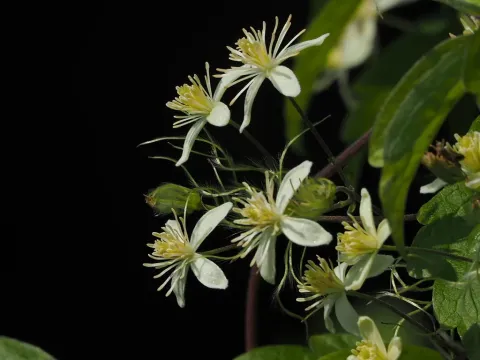
Clematis grata
Clematis grata
Clematis grata is a robust climbing plant belonging to the Ranunculaceae family, characterized by its rapid growth and attractive floral displays. Originating from mountainous regions of Asia, this species is well-adapted to climbing forest structures and riverbanks.
What the section contains
Clematis grata
The crop thrives in well-drained, nutrient-rich soils with a slightly alkaline pH. Proper soil preparation before planting is essential, as the species does not tolerate waterlogging, which often leads to root rot and long-term decline.
When selecting a site, ensure the plant receives at least six hours of sunlight while maintaining a cool, shaded base. Utilizing organic mulch around the root zone helps regulate temperature and preserves moisture during the peak of the summer heat.
Agricultural management requires consistent support systems, such as trellises or arbors, which allow the plant to spread its foliage effectively. Regular training of the stems during the first year is recommended to achieve the desired shape and density.
Fertilization should be applied in early spring as new shoots emerge. A balanced NPK fertilizer supports healthy vegetative growth and encourages more prolific flowering throughout the warmer months of the year.
The most significant threat to Clematis grata is Verticillium wilt, a fungal disease that can collapse healthy stems within days. Sanitation is critical, and any infected plant material must be carefully removed and destroyed to prevent spore spread.
Aphids often target new succulent growth, weakening the plant and creating sticky secretions that lead to sooty mold. Frequent inspection and application of insecticidal soaps or neem oil help manage these pest populations effectively.
Powdery mildew is a common issue during periods of high humidity and poor ventilation. Ensuring adequate spacing between plants and pruning for airflow can significantly reduce the risk of infection in dense garden layouts.
Slugs and snails can cause substantial damage to emerging spring shoots. Implementing barriers or using physical traps around the base of the plant is an effective strategy to protect young, vulnerable growth from these garden pests.
Root-knot nematodes can cause stunted growth and poor vitality by damaging the root system. Maintaining healthy, fertile soil with high organic matter content naturally suppresses nematode activity and boosts the plant's resistance.