
Clematis heynei
Clematis heynei
Description
Growing requirements
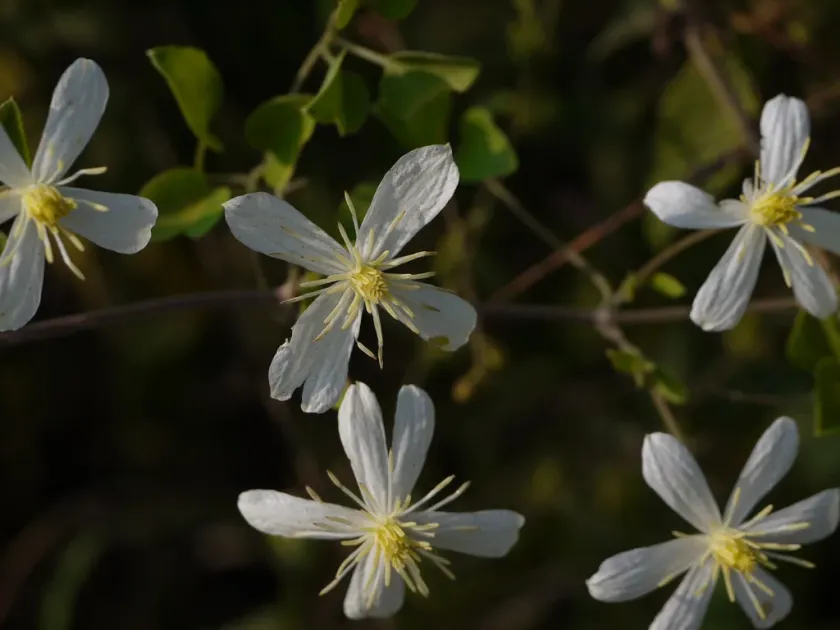
Clematis heynei is a perennial woody climber belonging to the Ranunculaceae family. Native to the mountainous regions of India, this species has evolved to thrive in diverse rocky environments and temperate climates, making it a unique ornamental candidate.
The cultivation of this plant requires well-drained, fertile soil with a neutral to slightly alkaline pH. Proper soil preparation is essential to prevent moisture accumulation, which is the primary factor leading to root-related stress in this species.
In terms of climate, Clematis heynei prefers locations with bright, indirect sunlight or partial shade during the peak heat of the day. Consistent temperatures ranging from 20 to 25 degrees Celsius are ideal for supporting vigorous growth and floral development.
Agronomic management relies heavily on the provision of sturdy vertical structures, as the vines exhibit significant climbing potential. Regular pruning is necessary to maintain the desired shape and to encourage denser foliage and improved flower production.
Watering requirements should be managed with care; the substrate must remain consistently moist but never waterlogged. Supplemental feeding with balanced fertilizers during the active growing season will significantly enhance the overall plant vigor and decorative potential.
Main diseases and pests
Clematis wilt, caused by pathogenic soil fungi, remains the most significant disease threat to this climber. Once symptoms such as wilting or sudden collapse appear, infected parts must be removed and destroyed to prevent spreading.
Powdery mildew often affects plants grown in environments with poor air circulation or high humidity. Preventive measures include ensuring proper plant spacing and using systemic fungicides if initial signs of the white powdery coating appear on the leaves.
Aphids are common pests that feed on the sap of young stems and flower buds, potentially vectoring viral diseases. Controlling their population through regular inspections and natural or chemical interventions is crucial for plant health.
Spider mites can become a major issue during hot, dry periods, causing foliage discoloration and leaf drop. Maintaining adequate humidity around the plant and early identification are the best defenses against mite infestations.
General pest and disease management should focus on cultural practices, such as deep cleaning of the gardening site, removing debris, and maintaining the overall plant immunity through balanced nutrition and proper hydration.