
Clematis glycinoides
Clematis glycinoides
Description
Growing requirements
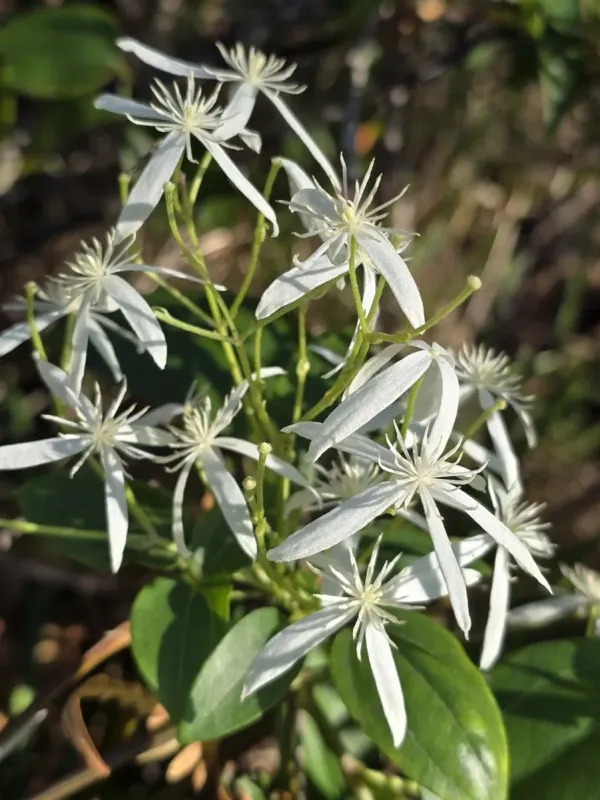
Clematis glycinoides is a woody vine belonging to the Ranunculaceae family, native to the forested regions of Australia. This plant is well-known for its aggressive climbing nature, utilizing its leaf petioles to wrap around supports, reaching significant heights in its natural habitat.
Cultivation of this species requires fertile, well-draining soil with a neutral to slightly acidic pH level. The plant thrives when its root zone is kept cool and moist, necessitating thick organic mulch and the avoidance of direct, intense sunlight on the base of the vine.
Regarding climate, Clematis glycinoides prefers areas with bright, filtered light or partial shade. It is not fully frost-hardy and requires protection in cooler climates, making it an excellent candidate for greenhouse cultivation or sheltered south-facing garden walls.
Proper water management is essential for this species. It demands consistent moisture during the growing season but is highly intolerant of waterlogged soil, which often results in root rot. Installation of a reliable drainage system is a mandatory prerequisite for successful planting.
The primary horticultural use of this plant is ornamental, particularly for vertical landscaping projects. Its clusters of small, white, fragrant flowers create a striking aesthetic effect, providing a waterfall of blooms that mimics the appearance of Wisteria, hence its common name.
Main diseases and pests
The most severe pathological threat to Clematis species is fungal wilt, caused by pathogens like Phoma clematidina. This disease causes sudden collapse of stems, often appearing overnight, and can quickly kill a mature vine if left untreated.
Preventive measures include maintaining good airflow around the foliage and applying preventative systemic fungicides early in the spring. If symptoms appear, the affected parts must be pruned back to healthy tissue and disposed of away from the site.
Pests such as aphids and spider mites are common concerns. Aphids typically colonize the tender tips of new growth, causing curling and stunted leaves, while spider mites thrive in hot, dry conditions and cause stippling and discolouration of the foliage.
Slugs and snails may attack young, succulent growth shortly after the spring thaw. Using physical barriers, such as copper tape or crushed eggshells, or non-toxic bait is recommended to protect the vulnerable young plantlets during the initial stages of growth.
Overall, maintaining plant health through balanced fertilization and appropriate site selection helps the vine withstand environmental stress and reduces its susceptibility to these common horticultural pests and diseases.