
Clematis fasciculiflora
Clematis fasciculiflora
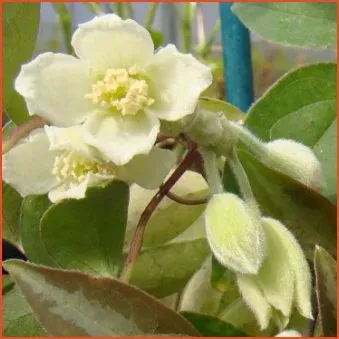
Description
Growing requirements
Clematis fasciculiflora is a distinctive evergreen woody climber belonging to the Ranunculaceae family. Native to the mountainous regions of China, this species thrives in forest environments where it is naturally protected by larger trees, dictating its preference for partial shade.
Botanically, the plant is characterized by its persistent, leathery, and dark green foliage that remains throughout the year. Its stems are vigorous and climbing, allowing the plant to scale various vertical structures effectively, making it a robust choice for architectural landscape applications.
The cultural requirements for this species are specific regarding soil composition. It demands well-drained, fertile soil rich in organic matter. A neutral to slightly alkaline pH is optimal for the health of the plant, while adequate drainage is critical to prevent root rot during the dormant season.
Regarding climate, the plant prefers temperate conditions with high atmospheric humidity. While it exhibits some tolerance to varying temperatures, it is sensitive to extreme frost, and in non-native climates, it necessitates sheltered spots or protective winter coverings to survive cold snaps.
The primary use of Clematis fasciculiflora is ornamental. It is widely utilized in professional landscaping to cover walls, arbors, and fences. The aesthetic value is maximized during the flowering season when the plant produces elegant clusters of pale-colored blossoms, providing visual appeal.
Main diseases and pests
The most significant pathological threat to this species is wilt, caused by fungal pathogens in the soil. Once established in the vascular system, the fungus blocks water movement, leading to the sudden collapse of stems, which often requires pruning the affected areas back to healthy wood.
Pest pressure from aphids and spider mites can be intense, especially during hot and dry spells. These pests colonize the underside of the leaves, causing chlorosis and vigor loss. Integrated pest management, including regular inspection and targeted applications, is essential to maintain plant health.