
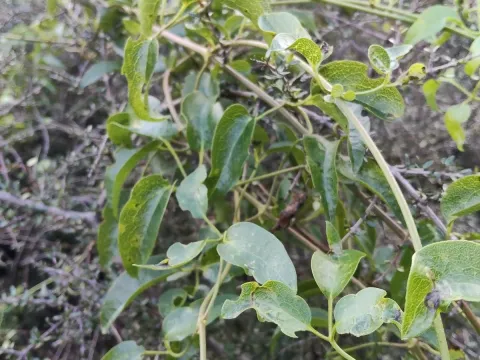
Clematis foetida
Clematis foetida
Seeds of Clematis foetida are best sown in late autumn to benefit from natural winter stratification, which is essential for breaking seed dormancy and achieving consistent germination.
What the section contains
Clematis foetida
If starting indoors, sow seeds in deep containers filled with a sterile, well-draining seed-starting mix. Place the containers in a cold frame or refrigerator for at least eight weeks to simulate the necessary chilling period.
Seeds should be covered lightly with vermiculite or sand, as they require a bit of darkness to germinate effectively. Maintain a temperature of around 20 degrees Celsius once moved to a warmer environment.
Transplanting seedlings into individual pots is performed once the first set of true leaves develops. Handle the seedlings with extreme care, as their roots are fragile and prone to transplant shock.
Young plants should be hardened off before moving them to their permanent garden location in late spring. Ensure the site chosen provides the young vine with adequate space for root expansion.
Clematis foetida, a member of the Ranunculaceae family, thrives in locations with partial to full sun. While it enjoys exposure to light, it prefers to have its roots shaded by other low-growing plants.
Soil quality is paramount for this species; it requires a deep, fertile, and well-draining loam. Avoid heavy clay soils that retain excessive moisture, as this leads to root rot and other fungal issues.
Adequate support systems are vital for this climbing plant. Providing a trellis, arbor, or wire fence allows the vine to display its foliage and flowers properly while ensuring good airflow.
Consistent irrigation is required during the initial growth years, particularly during dry spells. However, ensure that the soil remains moist but never waterlogged to protect the plant's health.
Regular fertilization with a balanced, slow-release fertilizer during the active growing season encourages strong development. Apply organic mulch annually to conserve soil moisture and nourish the roots.
As an ornamental plant, harvesting is limited to seed collection and propagation materials. Collect seeds in late autumn once the seed heads have dried and become naturally fluffy.
Vegetative propagation via softwood cuttings is a preferred method for maintaining the characteristics of the parent plant. Take cuttings in early summer and place them in a moist, sandy medium.
Maintenance pruning is necessary to remove dead or damaged growth and to shape the vine. Always prune immediately after the flowering period to avoid removing new growth buds.
When working with Clematis foetida, it is advised to wear gloves, as the sap of many Ranunculaceae species can cause mild irritation to sensitive skin during handling.
Winterizing involves applying a layer of organic mulch around the base to prevent deep frost penetration in the soil. This practice helps ensure the vine survives through harsher winters.
Powdery mildew is a common threat, appearing as a white powdery coating on the foliage. It is best managed by ensuring proper plant spacing to facilitate air circulation throughout the vine.
Rust infections can occur during humid summers, resulting in dark, rusty spots on the leaves. Infected foliage should be removed and destroyed to prevent the spread of fungal spores.
Aphids can infest the soft, succulent growth tips. Early detection and treatment with insecticidal soaps are typically sufficient to control their population without harming beneficial insects.
Spider mites thrive in hot, dry conditions and can cause significant foliage stippling. Regular misting and the use of appropriate miticides help keep their numbers in check.
Root nematodes are particularly difficult to manage once established in the soil. To avoid these, only use clean, uninfected soil or container mixes when starting your clematis garden.