
Clematis fargesii
Clematis fargesii
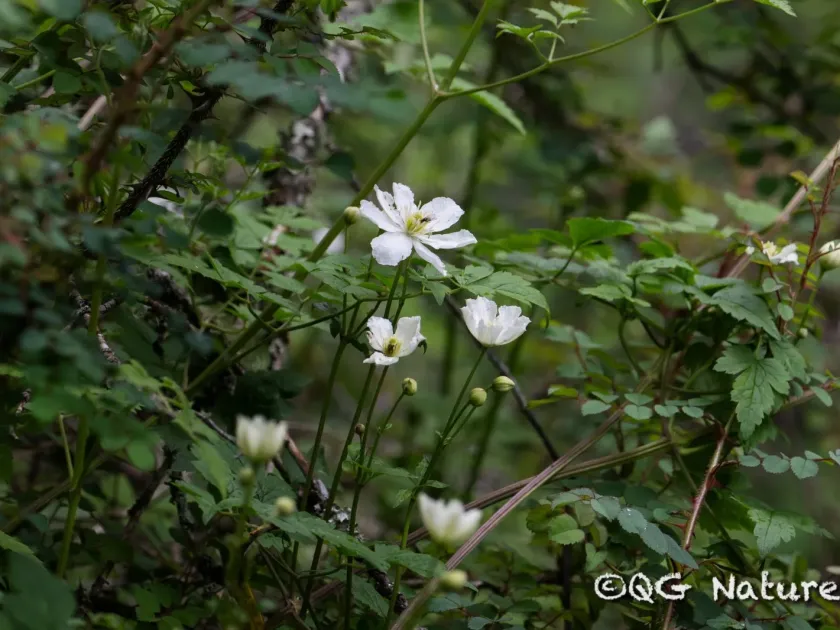
Description
Growing requirements
Clematis fargesii is a robust, deciduous climbing plant belonging to the Ranunculaceae family. Native to the mountainous terrains of China, this species has adapted to temperate climates and is valued in ornamental horticulture for its vigorous growth and abundant floral display.
The plant thrives in sites that offer plenty of morning sunlight but protection from intense, scorching afternoon sun. It is essential to ensure that the roots are kept cool and shaded, often by planting low-growing perennials around the base of the vine to act as living mulch.
Regarding soil requirements, Clematis fargesii demands a fertile, well-draining, and moisture-retentive medium. It performs best in soils with a pH ranging from neutral to slightly alkaline. Incorporating organic matter, such as well-rotted compost, into the planting pit is highly recommended.
Adequate support is a fundamental aspect of this crop's agricultural technology. As a climber, it requires sturdy trellises, fences, or pergolas to accommodate its rapid vertical development. The support structure must be strong enough to withstand the weight of mature foliage and potential wind loads.
Irrigation must be consistent, particularly during the peak growing season. It is vital to avoid waterlogging the roots, as excessive moisture can lead to root rot. Irrigation should be applied deeply to encourage a deep root system, making the plant more resilient to temporary drought conditions.
Main diseases and pests
Fungal diseases, particularly Clematis wilt (caused by Phoma clematidina), are the primary threats to this species. Preventive measures include ensuring good air circulation, avoiding overhead watering, and using copper-based fungicides during the early spring growth period.
Common pests include aphids, spider mites, and snails, which can damage the tender foliage and buds. Regular monitoring is necessary, and integrated pest management strategies, such as introducing beneficial insects, should be prioritized over broad-spectrum chemical sprays.
Powdery mildew may occur in poorly ventilated areas with high humidity levels. Managing plant density and pruning away excess growth helps maintain healthy airflow, which significantly reduces the probability of a fungal outbreak across the foliage.
In colder regions, although Clematis fargesii is relatively hardy, young plants require protective mulching of the base during the winter season. Covering the roots with organic mulch or conifer branches prevents frost-heaving and protects the dormant buds from extreme temperature swings.
Nutrition management involves a balanced fertilization schedule. A slow-release fertilizer high in phosphorus and potassium applied in early spring encourages strong stem development and profuse flowering, while nitrogen applications should be limited to avoid excessive vegetative growth at the expense of blooms.