
Clematis finetiana
Clematis finetiana
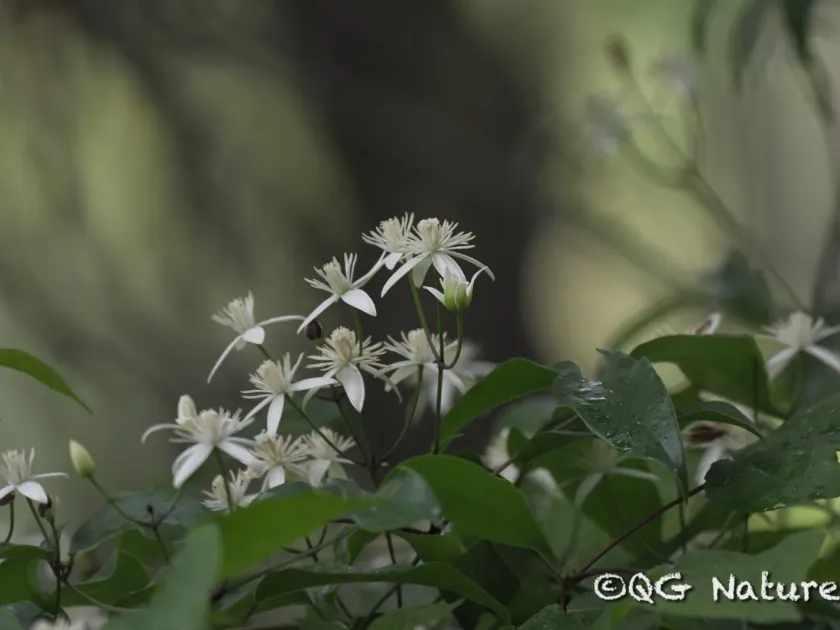
Description
Growing requirements
Clematis finetiana is a woody perennial climber belonging to the Ranunculaceae family. Native to the subtropical forests of China, this species is highly valued for its elegant climbing habit and fragrant, delicate flowers that bring a refined aesthetic to any vertical gardening project.
The cultivation of this crop requires well-draining, fertile soil rich in organic matter. The plant thrives in neutral to slightly alkaline pH levels and is extremely sensitive to waterlogged conditions, which can lead to root rot. Providing a proper drainage layer at the base of the planting site is essential for long-term survival.
Regarding climate requirements, the species prefers temperate, mild environments with consistent humidity. While it can withstand moderate temperatures, it lacks high winter hardiness, necessitating protection or greenhouse cultivation in regions with severe frosts. Partial shade is generally preferred to prevent leaf scorching from intense direct sun.
Agrotechnical practices involve providing a sturdy trellis or support system to facilitate upward growth. Regular light pruning is encouraged to maintain shape and promote blooming. During the growing season, moderate irrigation is necessary, while winter maintenance requires a reduction in watering to allow the plant a period of rest.
In terms of economic and practical use, Clematis finetiana serves primarily as an ornamental plant. It is frequently employed in landscape design for covering fences, pergolas, and arbors, providing both visual appeal and a refreshing floral scent during its active flowering window in late spring and early summer.
Main diseases and pests
The primary threats to the health of Clematis finetiana include fungal pathogens that target the vascular system, most notably wilt. Excessive humidity combined with poor air circulation often acts as a catalyst for these diseases, making sanitation and proper spacing critical for disease prevention.
Pest pressure is typically associated with sap-sucking insects like aphids and spider mites, which thrive in stagnant or overly dry environments. Regular inspection and the use of integrated pest management strategies, including biological controls or gentle horticultural soaps, help keep the plant in vigorous condition.