
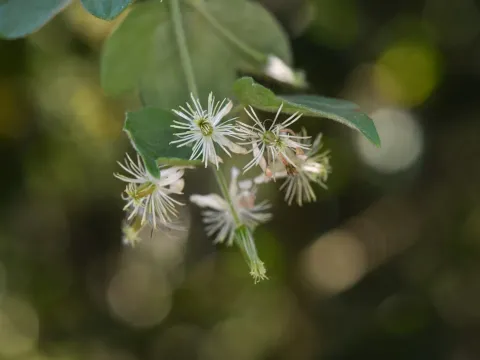
Clematis dioica
Clematis dioica
Propagation of Clematis dioica is primarily achieved through seeds or vegetative cuttings. Seed sowing should be performed during the late autumn for natural stratification or in early spring using cold-treated seeds to ensure higher germination rates.
What the section contains
Clematis dioica
A well-draining, lightweight soil medium is required for sowing. Seeds should be planted at a shallow depth of approximately 1-2 centimeters. Consistent moisture levels must be maintained throughout the germination period, which typically takes several weeks.
Optimal temperatures for seed emergence range between 18 and 22 degrees Celsius. Once the seedlings develop their first set of true leaves, they should be transplanted into individual pots to facilitate root development before they are moved to their permanent location.
Vegetative propagation via cuttings is favored for maintaining specific traits. Cuttings are taken during the active growth season and placed in high-humidity propagation chambers to promote rooting, often with the aid of rooting hormones.
Outplanting into the garden occurs after all frost risks have passed. Proper spacing is essential to ensure adequate airflow and prevent the development of foliar diseases during the rapid growth phase.
As a member of the Ranunculaceae family, Clematis dioica thrives in sunny locations with at least six hours of direct light daily. While it prefers full sun, the base of the plant benefits from being shaded or mulched to keep the roots cool.
The soil should be rich in organic matter, fertile, and exhibit excellent drainage. Neutral to slightly alkaline soil conditions are ideal for the plant's nutrient uptake and overall vigor.
Climbing support is critical for this species. Trellises, wire meshes, or fences allow the plant to utilize its leaf petioles to secure itself, reaching significant vertical heights as it matures throughout the season.
Consistent irrigation is necessary, particularly during the flowering stage and peak summer heat. However, water management is vital, as excessive moisture around the root zone can be detrimental to the plant's health.
Fertilization with a balanced NPK fertilizer in early spring supports vegetative expansion, while a phosphorus-rich application prior to bud formation enhances flower production and stem strength.
The economic value of Clematis dioica is found in its ornamental appeal and its traditional medicinal applications. Production levels vary based on the intensity of the cultivation program and the plant's age.
For medicinal purposes, biomass should be harvested during the early flowering stage, as the concentration of active compounds is at its highest. Proper drying conditions in well-ventilated, shaded areas are required to maintain quality.
Ornamental yields are characterized by flower abundance and foliage density. Systematic pruning after the flowering cycle is essential to rejuvenate the plant and ensure sustained performance in subsequent years.
Seed production is sufficient for large-scale propagation, making the species highly suitable for mass landscaping projects. Seeds should be collected only after they have fully matured on the vine to ensure viability.
Long-term productivity is maintained through regular maintenance, including the removal of dead wood and the prevention of soil compaction, which allows the plant to thrive for many years.
Common pests include aphids and spider mites, which can cause significant damage to young leaves and stems. Regular monitoring and the application of suitable horticultural oils or systemic insecticides help manage these populations.
Powdery mildew is a prevalent fungal disease that thrives in high-humidity environments. The appearance of a white, powdery coating on the leaves indicates the need for improved air circulation and targeted fungicide treatment.
Wilt, a systemic fungal condition, is a significant threat to Clematis species. If symptoms appear, immediate removal of affected stems is necessary to contain the infection, followed by a sterile cultivation approach.
Rust can occur during prolonged wet seasons, manifesting as reddish-orange pustules on the undersides of leaves. Preventive measures include applying copper-based fungicides and ensuring foliage stays relatively dry.
Root rot is the most common cause of failure in poorly drained soils. Maintaining proper soil aeration and avoiding overhead irrigation can significantly reduce the risk of this destructive pathogen.