
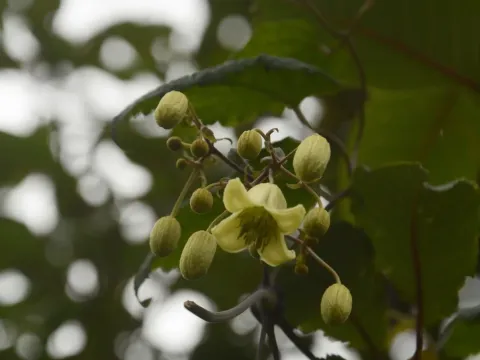
Clematis barbellata
Clematis barbellata
Sowing Clematis barbellata seeds requires a period of cold stratification lasting at least 8 to 12 weeks to break seed dormancy. This mimics the natural winter cycle necessary for germination.
What the section contains
Clematis barbellata
Seeds should be sown in a well-draining, sterile seed-starting mix. Cover lightly with fine grit or vermiculite to maintain proper moisture levels while allowing sufficient air circulation for the seeds.
Germination can be erratic and may take several months. It is vital to maintain a consistent environment with temperatures hovering around 20 degrees Celsius during the warm phase of stratification.
Transplanting seedlings into individual pots is performed once the true leaves have fully developed. Handle the roots with extreme care to avoid shock and root damage.
When propagating via cuttings, select semi-ripe wood during late spring. Use rooting hormone and maintain high humidity in a greenhouse or propagation frame until new roots are established.
Clematis barbellata is a member of the Ranunculaceae family. It is native to the Himalayan regions, which dictates its preference for cool growing seasons and well-tempered climates.
The soil should be rich in organic matter and possess an excellent drainage system. Although the plant enjoys moisture, it will not tolerate waterlogged conditions that lead to root rot.
Partial shade is ideal for this climber. In its natural habitat, it often grows on the edges of forests, thriving where the morning sun is soft and the afternoon shade is deep.
Regular mulching around the base of the plant is recommended to keep the root zone cool. This mimics the forest floor environment where the plant feels most protected and stable.
Adequate support structures, such as trellis systems or wires, are essential. As the plant climbs, it requires careful training to ensure the stems do not become tangled or wind-damaged.
Clematis wilt is a serious physiological and fungal issue that causes stems to collapse. Prompt removal and destruction of the infected parts are necessary to protect the rest of the vine.
Powdery mildew often attacks the foliage during humid and stagnant air conditions. Proper spacing between plants is the best preventative measure to ensure adequate air circulation throughout the canopy.
Aphids are common pests that cluster on new growth, weakening the plant. Regular monitoring and the application of insecticidal soaps can manage these populations without harming beneficial insects.
Root rot is frequently linked to heavy, clay-based soils that do not allow excess water to escape. Amending the soil with grit or sand before planting significantly reduces this long-term risk.
Leaf spot diseases can occur during prolonged periods of rainfall. Applying preventative fungicides early in the growing season helps to maintain the aesthetic quality and overall health of the leaves.