
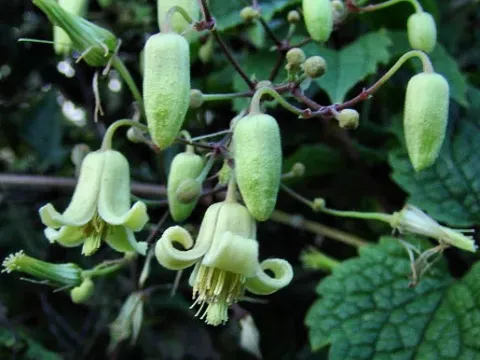
Clematis connata
Clematis connata
Clematis connata is a robust climbing plant belonging to the Ranunculaceae family, characterized by its rapid growth and vigorous nature. This woody vine is widely recognized for its ability to create dense, lush foliage covers on various structures.
What the section contains
Clematis connata
The plant originates from the Himalayan and Chinese mountain regions, where it thrives in forest margins and valleys. It is best suited for climates with temperate summers, where it can receive sufficient indirect sunlight while maintaining a cool root zone.
Cultivation requires deep, fertile, and well-drained soil. A neutral to slightly alkaline pH level is ideal for optimal nutrient uptake. Consistent moisture is necessary, but the soil must be porous enough to prevent waterlogging, which is detrimental to the root system.
Agrotechnical management involves providing sturdy vertical support, as the vine can become quite heavy when mature. Seasonal pruning is essential to maintain plant shape and encourage the growth of strong new flowering stems.
Host plant use is strictly ornamental. Clematis connata is often used in large-scale landscaping to cover trellis walls, pergola systems, or fences, providing both shade and aesthetic value during the flowering period.
The most significant threat to the health of Clematis connata is Clematis wilt, caused by fungal pathogens that infect the vascular tissue. This condition can lead to rapid collapse of parts or the entire vine if not managed promptly.
Integrated pest management strategies are recommended, including the removal of dead plant debris and the application of fungicides during high-humidity periods. Proper air circulation is a key preventive measure against fungal outbreaks.
Insect pests such as aphids and spider mites frequently target the tender shoots and leaves. These pests cause stunted growth and chlorosis, necessitating the use of horticultural soaps or systemic insecticides to protect the plant.
Nematodes in the soil can also pose a risk to the roots, potentially weakening the plant over time. Maintaining soil health through organic amendments can help build natural resistance in the plant population.
Effective management also requires careful monitoring of the leaf surface for signs of powdery mildew. Early intervention with suitable fungicides ensures that the vine remains healthy and displays its decorative flowers throughout the season.