
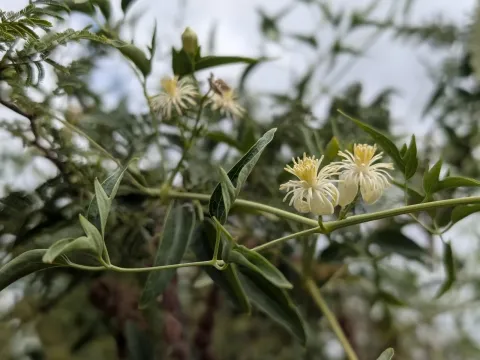
Clematis campestris
Clematis campestris
Clematis campestris is a perennial woody climber belonging to the Ranunculaceae family. Renowned for its vigorous growth, this vine serves as an excellent choice for vertical landscaping in various garden settings and park designs.
What the section contains
Clematis campestris
The plant is native to South America, specifically in regions of Argentina, where it thrives in open environments. Its natural habitat suggests a preference for regions with distinct seasonal changes and good solar exposure throughout the year.
Ideal cultivation conditions require well-draining, nutrient-rich soil with a neutral to slightly alkaline pH. Proper soil preparation before planting is crucial to ensure that the root system develops deep enough to support the heavy vegetative mass.
Climate-wise, the plant prefers sunny locations where the foliage receives full light, while the root zone remains cool and shaded. This can be achieved through dense mulching or by planting low-growing shrubs around the base of the clematis.
In practice, Clematis campestris is highly valued for its ability to cover walls, pergolas, and trellises rapidly. It is an essential element for creating privacy screens and enhancing the aesthetic value of outdoor spaces.
Wilt disease, primarily caused by fungal pathogens, represents the most significant threat to the plant's health. Pruning the affected parts immediately and applying systemic fungicides can often save the climber from complete decline.
Root rot occurs frequently in areas with poor drainage or excessive soil compaction. Ensuring that the planting site has been amended with sand or gravel is a primary preventive measure against anaerobic conditions in the soil.
Aphids and spider mites are common pests that thrive during hot and dry spells. Monitoring the undersides of the leaves and implementing early intervention with horticultural soaps or oil sprays helps maintain plant vigor.
Powdery mildew can affect the foliage if the air circulation is inadequate. Maintaining proper spacing between vines and removing diseased leaves can effectively minimize the spread of fungal spores in the garden.
Gastropods, such as slugs and snails, can cause significant damage to young shoots in the early spring. Utilizing barriers or bait is recommended during the initial stage of the growing season to protect the succulent new growth.