
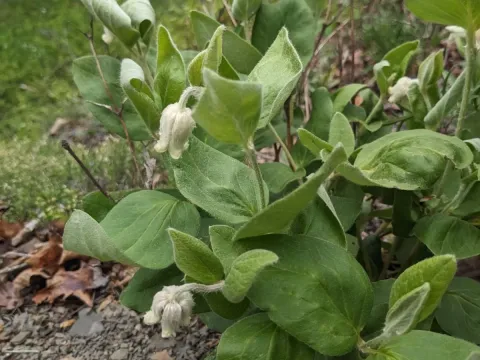
Clematis coactilis
Clematis coactilis
Clematis coactilis is a distinct herbaceous perennial belonging to the Ranunculaceae family. It is recognized for its unique, felt-like pubescence on the foliage, which distinguishes it from many other members of the Clematis genus.
What the section contains
Clematis coactilis
Native to limited habitats in Virginia and North Carolina, this plant primarily grows in wooded slopes and limestone-rich areas. Its natural environment indicates a preference for stable, well-aerated soil conditions that provide adequate mineral content.
The plant thrives in sites that offer partial sun to filtered light. Excessive exposure to intense, direct afternoon sun can be detrimental, leading to dehydration and heat stress during the peak growing season.
Soil requirements are relatively specific; the plant prefers a loamy, well-draining substrate with a neutral to slightly alkaline pH. Proper soil structure is critical to prevent root suffocation and promote healthy development.
Watering management is a cornerstone of its cultivation. While the soil should be kept consistently moist to support active growth, it is essential to ensure that water does not pool around the base, as the roots are sensitive to waterlogging.
The most significant pathological threat to Clematis coactilis is vascular wilt. This fungal condition causes a rapid decline and death of the stems, often triggered by excessive soil moisture and poor drainage in the root zone.
Powdery mildew represents another common challenge, especially in environments with poor air circulation and high humidity. It manifests as a white, powdery residue on leaves, reducing the plant's photosynthetic efficiency.
Pest pressure from aphids and spider mites can inhibit development by sucking essential nutrients from the plant. Monitoring the undersides of leaves and using gentle insecticidal soaps can mitigate these problems effectively.
Slugs and snails can cause significant damage during the early stages of spring growth. Protecting young shoots is necessary to ensure the plant can establish a robust structure before the mid-summer heat arrives.
Successful management involves a proactive approach to sanitation. Removing and destroying infected plant tissue promptly helps to stop the spread of fungi and ensures that the plant remains vigorous throughout the season.