
Pteris biaurita
Pteris biaurita
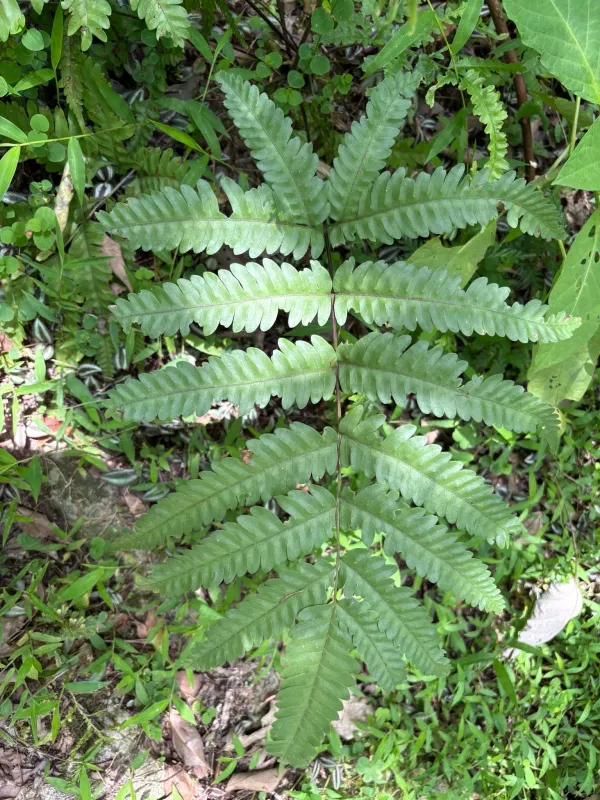
Description
Growing requirements
Pteris biaurita is a perennial fern species belonging to the Pteridaceae family. Native to tropical regions of Africa, Asia, and the Americas, it thrives in humid and shaded forest environments, which dictates its specific requirements in cultivation.
Botanically, the plant is characterized by its distinctively pinnate fronds that fork at the base. It requires a stable temperature range between 18°C and 24°C, and it is highly intolerant to cold drafts or rapid temperature fluctuations which often lead to leaf drop.
The optimal substrate for this crop must be well-drained, porous, and slightly acidic, with a pH range of 5.5 to 6.5. Providing adequate aeration to the rhizome system is essential for maintaining the vigor of the plant throughout the growing season.
High relative humidity is a critical environmental factor for the health of Pteris biaurita. In commercial or indoor cultivation, maintaining humidity levels above 60% prevents the fronds from curling or becoming brittle due to dehydration.
Economically, Pteris biaurita serves primarily as an ornamental plant. It is highly valued in horticulture for its foliage, making it a staple crop for greenhouse production and high-end interior landscaping projects where light levels are strictly controlled.
Main diseases and pests
The main pests affecting Pteris biaurita are spider mites, mealybugs, and scale insects. These pests thrive in environments with low humidity, making proper environmental management the first line of defense against infestations.
Root rot is the most common physiological disorder caused by overwatering or poor drainage. Excess moisture in the root zone leads to oxygen deprivation, which quickly causes the rhizome to fail and results in plant death if not treated immediately.
Fungal leaf spot diseases are frequently encountered when air circulation is inadequate. High humidity combined with stagnant air creates perfect conditions for fungal spores to settle and germinate on the frond surface, necessitating better ventilation.
Chlorosis, often confused with nutrient deficiencies, can be caused by improper substrate pH, which prevents the absorption of essential micro-nutrients. Regular testing and adjusting of the growing medium are crucial for long-term health.
Effective management includes sanitation and preventative treatment with appropriate fungicides or miticides only when necessary. Careful monitoring of the plant's growth habits is the best tool for an agronomist to predict and prevent significant losses.